




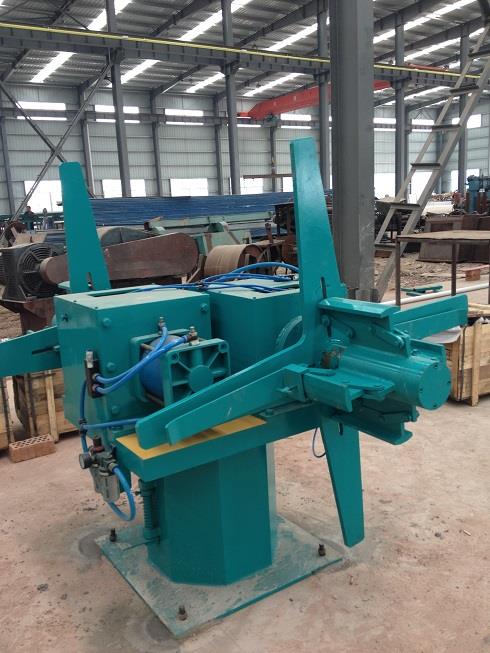
A decoiler is a crucial piece of equipment in many industrial processes, especially in metalworking and manufacturing. It is used to unwind coiled materials such as steel, aluminum, and copper, providing a continuous supply of material for subsequent processing. One of the key components of a decoiler is its braking system, which plays a vital role in ensuring the safe and efficient operation of the machine. As a decoiler supplier, I'd like to share some insights into what the braking system of a decoiler is like.
Types of Braking Systems in Decoilers
There are several types of braking systems commonly used in decoilers, each with its own characteristics and applications.
Mechanical Brakes
Mechanical brakes are one of the oldest and simplest types of braking systems. They typically use friction to slow down or stop the rotation of the decoiler's mandrel. One common type of mechanical brake is the shoe brake. In a shoe brake system, brake shoes are pressed against a rotating drum attached to the mandrel. The friction between the shoes and the drum creates a braking force, which slows down the rotation of the mandrel.
Another type of mechanical brake is the band brake. A band brake consists of a flexible band that wraps around a drum. When the band is tightened, it creates friction against the drum, causing the mandrel to slow down. Mechanical brakes are relatively inexpensive and easy to maintain, but they may not be suitable for high-speed or heavy-duty applications.
Hydraulic Brakes
Hydraulic brakes use hydraulic fluid to transmit force and create a braking effect. In a hydraulic brake system, a hydraulic pump pressurizes the fluid, which is then directed to a brake cylinder. The pressure in the cylinder causes a piston to move, which in turn applies pressure to the brake pads or shoes.
Hydraulic brakes offer several advantages over mechanical brakes. They can provide a more consistent and powerful braking force, making them suitable for high-speed and heavy-duty applications. Hydraulic brakes are also less prone to wear and tear, which means they require less maintenance. However, hydraulic brake systems are more complex and expensive than mechanical brakes.

Electromagnetic Brakes
Electromagnetic brakes use electromagnetic force to create a braking effect. In an electromagnetic brake system, an electric current is passed through a coil, which creates a magnetic field. The magnetic field attracts a brake disc or armature, causing it to engage with a stationary surface and create friction.
Electromagnetic brakes are known for their fast response times and precise control. They can be easily integrated with automation systems, allowing for seamless operation in a production line. Electromagnetic brakes are also relatively compact and lightweight, making them suitable for applications where space is limited. However, they require a reliable power supply and may be more expensive than mechanical brakes.
Components of a Decoiler Braking System
Regardless of the type of braking system used, a decoiler braking system typically consists of several key components.
Brake Pads or Shoes
Brake pads or shoes are the parts of the braking system that come into contact with the rotating surface (such as a drum or disc) to create friction. They are usually made of a high-friction material, such as asbestos-free friction linings or ceramic materials. The quality and condition of the brake pads or shoes are crucial for the performance of the braking system. Worn or damaged brake pads or shoes can reduce the braking force and increase the risk of accidents.
Brake Disc or Drum
The brake disc or drum is the rotating component of the braking system. It is usually made of a durable material, such as cast iron or steel. The surface of the brake disc or drum needs to be smooth and free of defects to ensure proper contact with the brake pads or shoes. Over time, the brake disc or drum may wear out or become damaged, which can affect the performance of the braking system.
Brake Cylinder or Actuator
The brake cylinder or actuator is responsible for applying pressure to the brake pads or shoes. In a hydraulic brake system, the brake cylinder is powered by hydraulic fluid. In an electromagnetic brake system, the actuator is powered by an electric current. The brake cylinder or actuator needs to be properly maintained to ensure that it can apply the correct amount of pressure to the brake pads or shoes.
Control System
The control system of a decoiler braking system is used to regulate the braking force and ensure the safe and efficient operation of the machine. It may include sensors, controllers, and switches that monitor the speed and position of the mandrel and adjust the braking force accordingly. The control system can also provide feedback to the operator, indicating the status of the braking system and any potential issues.
Importance of a Reliable Braking System
A reliable braking system is essential for the safe and efficient operation of a decoiler. Here are some reasons why:
Safety
The primary function of a braking system is to ensure the safety of the operator and the equipment. A malfunctioning braking system can cause the decoiler to spin out of control, which can lead to serious accidents and injuries. A reliable braking system can quickly stop the rotation of the mandrel in case of an emergency, preventing potential hazards.
Quality of the Unwound Material
A good braking system can help maintain the quality of the unwound material. If the decoiler rotates too quickly or unevenly, it can cause the material to stretch, tear, or become damaged. A well-regulated braking system can ensure that the material is unwound at a consistent speed and tension, resulting in a high-quality finished product.
Productivity
A reliable braking system can also improve the productivity of the manufacturing process. By allowing for precise control of the decoiler's rotation, the braking system can reduce downtime and increase the efficiency of the production line. This can lead to higher output and lower costs in the long run.
Our Decoiler Braking Systems
As a decoiler supplier, we offer a range of decoilers with different types of braking systems to meet the diverse needs of our customers. Our Single Head Decoiler is equipped with a high-quality mechanical brake system, which is simple and reliable. It is suitable for small to medium-scale production lines where cost-effectiveness is a key consideration.

For more demanding applications, our Double Arms Uncoiler features a hydraulic brake system. This system provides a powerful and consistent braking force, making it ideal for high-speed and heavy-duty operations. The hydraulic brake system is also easy to adjust and maintain, ensuring long-term reliability.

Our Decoiler is available with an electromagnetic brake system. This advanced braking system offers fast response times and precise control, allowing for seamless integration with automation systems. The electromagnetic brake system is also compact and lightweight, making it suitable for applications where space is limited.
Contact Us for Procurement
If you are in the market for a decoiler with a reliable braking system, we would be happy to discuss your specific requirements and provide you with a customized solution. Our team of experts has extensive experience in the industry and can offer you professional advice and support.
Whether you need a single head decoiler, a double arms uncoiler, or a standard decoiler, we have the right product for you. Contact us today to start the procurement process and take your manufacturing operations to the next level.
References
- Groover, M. P. (2010). Fundamentals of Modern Manufacturing: Materials, Processes, and Systems. John Wiley & Sons.
- Kalpakjian, S., & Schmid, S. R. (2008). Manufacturing Engineering and Technology. Pearson Prentice Hall.
- Pahl, G., Beitz, W., Feldhusen, J., & Grote, K.-H. (2007). Engineering Design: A Systematic Approach. Springer.