





As a cooling tower supplier, understanding the water quality requirements for a cooling tower is crucial. Cooling towers play a vital role in various industrial and commercial processes by removing heat from the system. However, the performance and lifespan of a cooling tower are highly dependent on the quality of the water it uses. In this blog, we will explore the key water quality requirements for a cooling tower and why they are so important.
1. Total Dissolved Solids (TDS)
Total Dissolved Solids refer to the sum of all inorganic and organic substances dissolved in water. High TDS levels in cooling tower water can lead to several problems. Firstly, it increases the likelihood of scale formation. When water evaporates in the cooling tower, the dissolved solids become more concentrated. As the concentration reaches a certain point, these solids can precipitate out and form scale on the heat transfer surfaces, such as the tubes of a Water-Water Heat Exchanger. Scale acts as an insulator, reducing the efficiency of heat transfer and increasing energy consumption.
Secondly, high TDS can also cause corrosion. Some of the dissolved salts, such as chlorides and sulfates, can be corrosive to the metal components of the cooling tower. This can lead to leaks, structural damage, and ultimately, the failure of the cooling system. To prevent these issues, it is generally recommended to keep the TDS level in cooling tower water below a certain limit, which may vary depending on the specific type of cooling tower and the materials used in its construction.
2. pH Level
The pH level of cooling tower water is another critical factor. A proper pH range helps to maintain the chemical balance of the water and protect the cooling tower components. Generally, a slightly alkaline pH (around 7.5 - 9.0) is preferred for cooling tower water.
At a lower pH (acidic conditions), the water becomes more corrosive. The acidic water can attack the metal surfaces, causing pitting and corrosion. On the other hand, a very high pH can lead to scale formation, especially calcium carbonate scale. When the pH is too high, the solubility of calcium carbonate decreases, and it precipitates out on the heat transfer surfaces.
To control the pH level, chemicals such as acids or alkalis can be added to the cooling tower water. pH sensors are often installed in the system to monitor the pH continuously and adjust the chemical dosing accordingly.
3. Hardness
Water hardness is mainly caused by the presence of calcium and magnesium ions. High hardness levels in cooling tower water can lead to severe scale formation. Calcium and magnesium carbonates are the most common types of scale that form in cooling towers.
When the water is heated or evaporates, the solubility of these carbonates decreases, and they deposit on the heat transfer surfaces. Scale not only reduces the heat transfer efficiency but also restricts the flow of water through the pipes and nozzles in the cooling tower. This can lead to increased pressure drop and reduced water circulation, affecting the overall performance of the cooling system.
To reduce water hardness, water treatment methods such as softening can be employed. Water softeners use ion exchange resins to remove calcium and magnesium ions and replace them with sodium ions. This helps to prevent scale formation and improve the efficiency of the cooling tower.
4. Microorganisms
Microorganisms, such as bacteria, algae, and fungi, can grow in cooling tower water. These microorganisms can cause several problems. Firstly, they can form biofilms on the heat transfer surfaces and other components of the cooling tower. Biofilms act as insulators, reducing the heat transfer efficiency. They can also block the nozzles and pipes, affecting the water distribution and circulation in the cooling tower.
Secondly, some microorganisms, such as Legionella bacteria, can pose a significant health risk. Legionella can cause Legionnaires' disease, a severe form of pneumonia. Cooling towers are known to be potential sources of Legionella growth, especially when the water temperature is in the range of 20 - 50°C, which is suitable for the growth of this bacteria.
To control the growth of microorganisms, biocides are commonly used in cooling tower water treatment. Biocides can be either oxidizing or non - oxidizing. Oxidizing biocides, such as chlorine and bromine, work by killing the microorganisms through oxidation. Non - oxidizing biocides, on the other hand, work by disrupting the metabolic processes of the microorganisms.

5. Suspended Solids
Suspended solids in cooling tower water include dirt, sand, rust, and other particulate matter. These solids can accumulate on the heat transfer surfaces and in the water distribution system of the cooling tower. They can cause abrasion to the pipes and nozzles, leading to mechanical damage.
Moreover, suspended solids can also provide a surface for the growth of microorganisms. The accumulated solids can create a favorable environment for bacteria and algae to grow, which can further exacerbate the problems associated with biofilm formation.
To remove suspended solids, filtration systems are often installed in the cooling tower water circuit. Filters can be of different types, such as sand filters, cartridge filters, or membrane filters. These filters trap the suspended solids and prevent them from circulating in the cooling tower system.
6. Oil and Grease
The presence of oil and grease in cooling tower water can have a negative impact on the performance of the cooling tower. Oil and grease can form a thin film on the heat transfer surfaces, reducing the heat transfer efficiency. They can also interfere with the action of water treatment chemicals, such as biocides and scale inhibitors.
Oil and grease can enter the cooling tower water from various sources, such as leaks in the process equipment or lubricants used in the machinery. To remove oil and grease, oil skimmers can be installed in the cooling tower basin. These skimmers float on the water surface and collect the oil and grease, preventing them from circulating in the system.
Importance of Meeting Water Quality Requirements
Meeting the water quality requirements for a cooling tower is essential for several reasons. Firstly, it ensures the efficient operation of the cooling tower. By preventing scale formation, corrosion, and biofilm growth, the heat transfer efficiency is maintained at a high level. This means that the cooling tower can remove heat from the system effectively, reducing the energy consumption of the overall process.
Secondly, it extends the lifespan of the cooling tower and its components. By protecting the metal surfaces from corrosion and mechanical damage, the cooling tower can operate for a longer period without major repairs or replacements. This reduces the maintenance costs and downtime associated with the cooling system.
Finally, it is crucial for health and safety reasons. Controlling the growth of microorganisms, especially Legionella, helps to prevent the spread of diseases. Ensuring that the cooling tower water is clean and free from contaminants is an important part of maintaining a safe working environment.
Our Solutions as a Cooling Tower Supplier
As a cooling tower supplier, we understand the importance of water quality in the performance of our products. We offer a range of cooling tower solutions, including Air-water Cooling System and Water-water Cooling System, that are designed to work effectively with properly treated water.
We also provide comprehensive water treatment services. Our team of experts can analyze the water quality at your site and develop a customized water treatment plan. This plan may include the use of appropriate chemicals, filtration systems, and monitoring equipment to ensure that the water quality meets the requirements of your cooling tower.
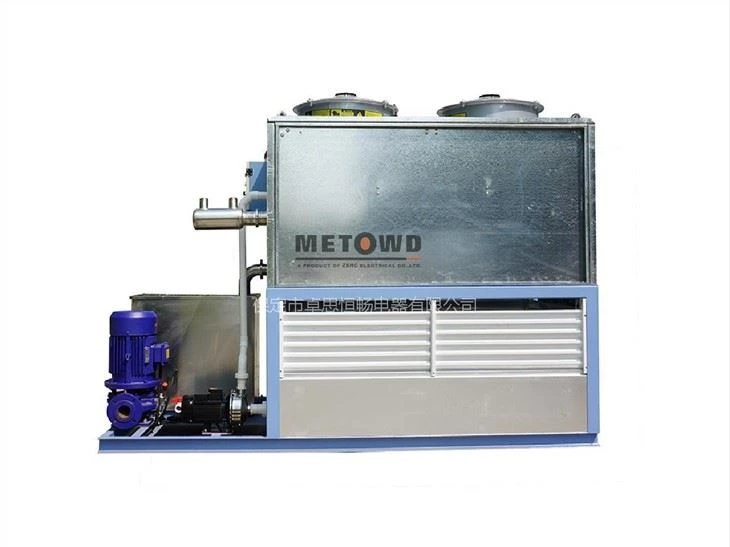
In addition, we offer regular maintenance and inspection services for our cooling towers. Our technicians can check the water quality, clean the cooling tower components, and make any necessary adjustments to ensure that the cooling tower is operating at its best.
Contact Us for Purchase and Consultation
If you are in need of a cooling tower or have any questions about water quality requirements for cooling towers, we are here to help. Our experienced sales team can provide you with detailed information about our products and services, and assist you in selecting the right cooling tower solution for your needs. Whether you are looking for a small - scale cooling tower for a commercial building or a large - scale industrial cooling system, we have the expertise and resources to meet your requirements. Please feel free to contact us for more information and to start a purchase negotiation.
References
- ASHRAE Handbook - HVAC Systems and Equipment. American Society of Heating, Refrigerating and Air - Conditioning Engineers.
- Cooling Tower Institute (CTI) Standards. Cooling Tower Institute.
- Water Treatment Handbook for Cooling Towers. Various industry publications.