




As a provider of friction saws, I'm often asked the question: Can a friction saw cut wood? This is a valid query, especially considering the diverse range of materials these saws are used for. In this blog post, I'll delve into the capabilities of friction saws when it comes to cutting wood, exploring the science behind it, the benefits and limitations, and sharing some real-world examples.
The Science Behind Friction Saws
Friction saws operate on a unique principle. Unlike traditional saws that use sharp teeth to cut through materials, friction saws rely on the heat generated by friction to sever the workpiece. When the saw blade rotates at high speeds and comes into contact with the material, the intense frictional forces create heat. This heat melts or softens the material at the cutting point, allowing the blade to slice through it.
The key factors in a friction saw's operation are the rotational speed of the blade, the pressure applied during cutting, and the material properties of the workpiece. These variables determine the efficiency and quality of the cut.
Cutting Wood with Friction Saws
So, can a friction saw cut wood? The answer is yes, but with some important considerations. Wood is a heterogeneous material composed of fibers, resins, and other organic compounds. Its density, moisture content, and grain direction can vary significantly, which affects how it responds to the heat and forces generated by a friction saw.

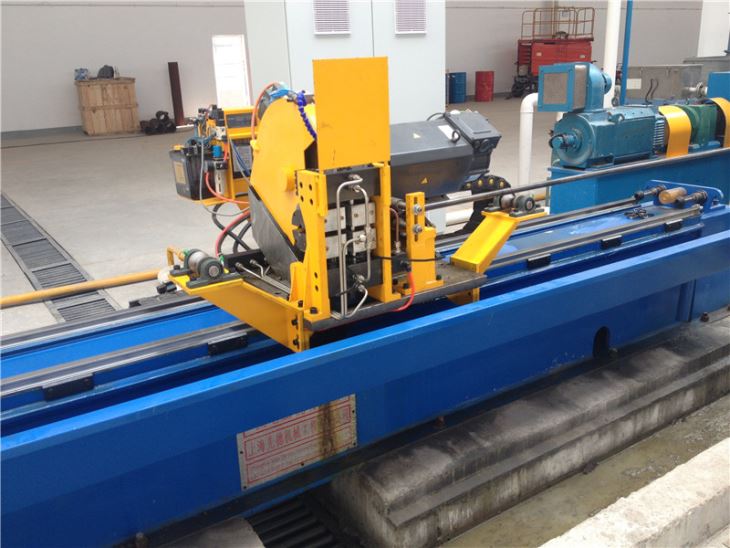
One of the advantages of using a friction saw to cut wood is its ability to make fast cuts. The high-speed rotation of the blade can quickly generate enough heat to penetrate the wood fibers, resulting in a relatively rapid cutting process. This can be particularly beneficial in industrial settings where large volumes of wood need to be cut in a short amount of time.
Another benefit is the potential for a clean cut. Since the heat from the friction essentially melts through the wood, it can create a smooth edge. However, this depends on several factors, including the type of wood and the cutting conditions.
Types of Wood and Cutting Performance
Different types of wood have different characteristics that can influence the cutting process. Softwoods, such as pine and cedar, are generally easier to cut with a friction saw than hardwoods like oak and maple. Softwoods have a lower density and less complex fiber structure, which means they require less heat to penetrate and can be cut more quickly.
Hardwoods, on the other hand, have a higher density and more tightly packed fibers. This makes them more resistant to the heat and forces of the friction saw, and cutting them may require more power and longer cutting times. Additionally, the higher resin content in some hardwoods can cause the blade to gum up, reducing its cutting efficiency.
Moisture Content and Cutting Quality
The moisture content of the wood also plays a crucial role in the cutting process. Wood with a high moisture content contains a significant amount of water, which absorbs heat and can dissipate the energy generated by the friction saw. This can result in a slower cutting speed and a rougher cut.
Ideally, the moisture content of the wood should be between 8% and 12% for optimal cutting performance. Wood that is too dry can become brittle and may splinter during cutting, while wood that is too wet can cause the blade to overheat and wear out more quickly.
Limitations of Friction Saws for Cutting Wood
While friction saws can cut wood, they also have some limitations. One of the main drawbacks is the potential for heat damage to the wood. The intense heat generated during the cutting process can char the edges of the wood, leaving a blackened and brittle surface. This can be aesthetically unappealing and may also reduce the strength of the wood.
Another limitation is the noise and dust generated by the cutting process. Friction saws operate at high speeds, which can produce a loud noise that may be a nuisance in certain environments. Additionally, the heat and friction can cause the wood to release dust particles, which can be harmful if inhaled.
Real-World Applications and Examples
Despite their limitations, friction saws are used in a variety of industries for cutting wood. In the construction industry, they are often used to cut wooden beams and planks to size. The fast cutting speed of the friction saw can help to speed up the construction process, allowing workers to complete their tasks more efficiently.
In the furniture manufacturing industry, friction saws can be used to cut wooden components for chairs, tables, and other pieces of furniture. The ability to make clean cuts can help to ensure the quality and precision of the finished products.
Other Applications of Friction Saws
In addition to cutting wood, friction saws are widely used for cutting other materials, such as metals and plastics. Our company offers a range of Cold Flying Cutting Saw, Tube Mill Cutting Machine and Computer Cold Flying Saw that are designed to meet the specific needs of different industries. These saws are known for their high performance, reliability, and precision.
Conclusion
In conclusion, a friction saw can cut wood, but its performance depends on several factors, including the type of wood, its moisture content, and the cutting conditions. While it offers some advantages, such as fast cutting speeds and the potential for clean cuts, it also has limitations, such as heat damage and noise.
If you're considering using a friction saw for cutting wood or other materials, it's important to understand its capabilities and limitations. Our team of experts is always available to provide you with more information and help you choose the right saw for your needs.
If you're interested in exploring our friction saw products for your specific application, we invite you to reach out to us for a detailed discussion. Our sales team is eager to assist you in understanding which model best suits your requirements and can provide you with competitive pricing and reliable customer support. Don't hesitate to contact us to initiate the procurement process and take your cutting operations to the next level.
References
- Smith, J. (2018). Handbook of Wood Cutting Technologies. Woodtech Press.
- Johnson, R. (2019). Friction Welding and Cutting Processes. Industrial Press.
- Brown, A. (2020). Advances in Material Cutting Techniques. Science Publishing.