


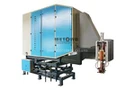
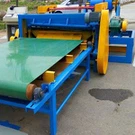


A slitting machine is a crucial piece of equipment in various industries, especially those dealing with metal processing and paper manufacturing. It is used to cut large rolls of material into narrower strips. One of the key components that ensures the smooth operation and longevity of a slitting machine is its lubrication system. As a slitting machine supplier, I am well - versed in the importance and functionality of the lubrication system in these machines.
The Basics of a Slitting Machine Lubrication System
The lubrication system of a slitting machine is designed to reduce friction between moving parts, prevent wear and tear, and dissipate heat generated during operation. In a slitting machine, there are numerous moving components such as bearings, gears, and cutting blades. Without proper lubrication, these parts would experience excessive friction, leading to increased energy consumption, premature failure, and reduced product quality.
Types of Lubricants Used
There are mainly two types of lubricants used in slitting machines: oils and greases.
Oils: Oils are commonly used in systems where high - speed movement is involved. They have excellent heat - dissipation properties and can flow easily through the lubrication channels to reach all the necessary components. Mineral oils are often used due to their relatively low cost and good lubricating properties. Synthetic oils, on the other hand, offer better performance in extreme conditions, such as high temperatures or high loads. They have a longer service life and better resistance to oxidation and degradation.
Greases: Greases are a semi - solid lubricant made by mixing oil with a thickening agent. They are suitable for applications where the lubricant needs to stay in place and provide long - term lubrication. In slitting machines, greases are often used in bearings and other components that do not require continuous oil flow. Greases can also act as a sealant, preventing contaminants from entering the lubricated areas.
Components of the Lubrication System
The lubrication system of a slitting machine typically consists of the following components:
Reservoir
The reservoir is where the lubricant is stored. It should be large enough to hold an adequate amount of lubricant to ensure continuous operation. The reservoir also has a filtering mechanism to remove any contaminants that may enter the lubricant.

Pumps
Pumps are responsible for circulating the lubricant throughout the system. There are different types of pumps used in slitting machines, such as gear pumps and piston pumps. Gear pumps are simple and reliable, suitable for low - to medium - pressure applications. Piston pumps, on the other hand, can generate higher pressures and are used in systems that require more precise lubrication.
Filters
Filters play a vital role in maintaining the quality of the lubricant. They remove solid particles, such as metal shavings and dirt, from the lubricant. This helps to prevent these contaminants from causing damage to the moving parts of the slitting machine. Filters need to be regularly replaced or cleaned to ensure their effectiveness.
Distribution System
The distribution system consists of pipes, hoses, and nozzles that deliver the lubricant to the specific components that need it. The design of the distribution system is crucial to ensure that each part receives the right amount of lubricant. For example, in a slitting machine, the cutting blades may require a different amount of lubricant compared to the bearings.
Importance of a Well - Functioning Lubrication System
Reducing Friction and Wear
Friction is the enemy of any moving machinery. In a slitting machine, the cutting blades and other moving parts are constantly in contact with each other. The lubrication system reduces the friction between these parts, which in turn reduces wear and tear. This extends the service life of the components and reduces the frequency of maintenance and replacement.
Heat Dissipation
During the operation of a slitting machine, a significant amount of heat is generated due to friction. If this heat is not dissipated properly, it can cause damage to the components. The lubricant in the system absorbs the heat and transfers it away from the moving parts. This helps to keep the temperature of the machine within a safe operating range.

Ensuring Product Quality
A well - lubricated slitting machine can produce high - quality products. When the cutting blades are properly lubricated, they can cut through the material more smoothly, resulting in clean and precise cuts. This is especially important in industries where the quality of the cut strips is critical, such as in the production of electronic components.
Maintenance of the Lubrication System
Proper maintenance of the lubrication system is essential to ensure its optimal performance. Here are some key maintenance tasks:

Regular Lubricant Checks
The level and quality of the lubricant should be checked regularly. The lubricant level should be maintained within the recommended range, and any signs of contamination or degradation should be addressed immediately.
Filter Replacement
As mentioned earlier, filters need to be replaced or cleaned regularly. This helps to ensure that the lubricant remains clean and free of contaminants.
System Inspection
The entire lubrication system, including the reservoir, pumps, pipes, and nozzles, should be inspected periodically for leaks, blockages, or other signs of damage. Any issues should be repaired promptly to prevent further damage to the machine.
Our Offerings as a Slitting Machine Supplier
As a leading slitting machine supplier, we offer a range of high - quality slitting machines with advanced lubrication systems. Our High Precision Slitting Line is designed to provide precise and efficient slitting operations. The lubrication system in our machines is carefully engineered to ensure optimal performance and reliability.
In addition to slitting machines, we also provide Galvanized Pipe Mill and Tube Mill solutions. These machines also feature well - designed lubrication systems to ensure smooth operation and long - term durability.
If you are in the market for a slitting machine or other related equipment, we invite you to contact us for more information. Our team of experts is ready to assist you in finding the right solution for your specific needs. Whether you are a small - scale manufacturer or a large industrial enterprise, we have the products and expertise to meet your requirements.
Conclusion
The lubrication system of a slitting machine is a critical component that ensures the smooth operation, longevity, and product quality of the machine. By understanding the basics of the lubrication system, its components, and the importance of maintenance, you can make informed decisions when choosing a slitting machine. As a slitting machine supplier, we are committed to providing high - quality products with reliable lubrication systems. Contact us today to discuss your needs and explore how our products can benefit your business.
References
- ASM Handbook Volume 18: Friction, Lubrication, and Wear Technology.
- Machinery's Handbook: A Reference Book for the Mechanical Engineer, Designer, Manufacturing Engineer, Draftsman, Toolmaker, and Machinist.
- Tribology Handbook: Principles and Applications of Tribology.