


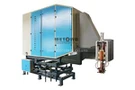
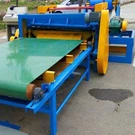


As a supplier of Adjustage Equipment, ensuring the safety of using our products is not only a top priority but also a responsibility we take very seriously. In this blog post, I will share some key aspects and practical measures to guarantee the safe operation of Adjustage Equipment.
1. Pre - operation Inspection
Before starting to use any Adjustage Equipment, a comprehensive pre - operation inspection is essential. This inspection should cover various components of the equipment.
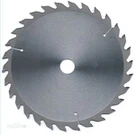
First, check the physical condition of the equipment. Look for any visible signs of damage, such as cracks, dents, or loose parts. For example, on a Cut To Length Machine, check the cutting blade for any chips or excessive wear. A damaged blade can not only affect the quality of the cut but also pose a significant safety risk as it may break during operation.
Next, examine the electrical systems. Ensure that all electrical connections are secure and there are no exposed wires. Faulty electrical connections can lead to short - circuits, electrical shocks, or even fires. On an Adjustage Equipment, a loose electrical connection in the control panel could cause erratic behavior of the machine, endangering the operator.
Also, check the lubrication of moving parts. Insufficient lubrication can increase friction, which may lead to overheating and premature wear of components. For instance, in a Hydrostatic Testing Machine, the moving parts of the pressure - generating mechanism need to be well - lubricated to ensure smooth operation and prevent sudden breakdowns. You can find more details about Hydrostatic Testing Machine on our website.
2. Operator Training
Proper operator training is a cornerstone of equipment safety. Operators should receive in - depth training on the specific Adjustage Equipment they will be using.
The training should cover the basic operation of the equipment, including how to start, stop, and adjust the settings. For example, operators of a Cut To Length Machine need to know how to set the correct cutting length and speed according to the material being processed. Incorrect settings can result in sub - standard products and potential safety hazards.
In addition to basic operation, operators should also be trained on safety procedures. This includes how to use personal protective equipment (PPE). PPE such as safety glasses, gloves, and ear protection should be worn at all times during operation. For example, when operating a Hydrostatic Testing Machine, safety goggles are necessary to protect the eyes from potential splashes of test fluids.
Operators should also be trained to recognize and respond to potential safety hazards. They should know the emergency stop procedures and how to shut down the equipment quickly in case of an emergency. Regular refresher training should be provided to keep operators updated on the latest safety practices and any changes in the equipment's operation.
3. Regular Maintenance
Regular maintenance is crucial for the long - term safety and performance of Adjustage Equipment. A well - maintained machine is less likely to malfunction and cause safety issues.
Maintenance schedules should be established based on the manufacturer's recommendations. For example, the Hydrostatic Testing Machine may require monthly checks of the pressure sensors and annual calibration of the pressure gauges. Regular inspections of the hydraulic systems, including checking for leaks and maintaining the correct fluid levels, are also necessary.
During maintenance, all components of the equipment should be thoroughly inspected. Worn - out parts should be replaced promptly. For instance, in a Cut To Length Machine, the cutting blade may need to be replaced after a certain number of cuts to ensure clean and safe cutting.


Maintenance records should be kept for each piece of equipment. These records can help track the maintenance history, identify recurring problems, and plan for future maintenance needs. By referring to the maintenance records of an Adjustage Equipment, maintenance staff can determine when a particular component is likely to fail and take preventive measures.
4. Environmental Considerations
The environment in which the Adjustage Equipment is used can also have a significant impact on safety.
The equipment should be installed in a clean and dry environment. Moisture can cause corrosion of metal parts, especially in electrical components. For example, in a Hydrostatic Testing Machine, corrosion of electrical connectors can lead to unreliable operation and potential safety risks.
The working area should be well - ventilated, especially for equipment that generates heat or fumes. For instance, some Adjustage Equipment may produce fumes during the processing of certain materials. Poor ventilation can lead to the accumulation of harmful gases, which can be a health hazard for operators.
The equipment should be installed on a stable surface. Uneven or unstable surfaces can cause the machine to vibrate excessively during operation, which may lead to component failure and safety issues. For example, a Cut To Length Machine that is not properly installed on a level surface may produce inaccurate cuts and pose a risk to the operator.
5. Safety Devices and Alarms
Adjustage Equipment should be equipped with appropriate safety devices and alarms to enhance safety.
Emergency stop buttons should be easily accessible and clearly marked. These buttons should be able to immediately shut down the equipment in case of an emergency. For example, on an Adjustage Equipment, an emergency stop button should be within reach of the operator at all times.
Safety interlocks should be installed to prevent the equipment from operating under unsafe conditions. For example, in a Hydrostatic Testing Machine, a safety interlock may prevent the machine from pressurizing if the test chamber is not properly closed.
Alarms should be in place to alert operators of potential problems. For example, a temperature alarm can be set on a Cut To Length Machine to warn the operator if the cutting blade is overheating. This allows the operator to take corrective action before a serious problem occurs.
6. Risk Assessment
Regular risk assessments should be conducted for the use of Adjustage Equipment. A risk assessment involves identifying potential hazards, evaluating the likelihood and severity of the risks, and implementing measures to control or eliminate the risks.
The risk assessment should consider factors such as the type of equipment, the materials being processed, and the working environment. For example, when using a Hydrostatic Testing Machine to test high - pressure vessels, the risk of a pressure rupture is relatively high. Appropriate safety measures such as using a safety enclosure and conducting regular pressure tests on the testing machine itself should be implemented.
Based on the risk assessment, safety protocols can be developed and updated as needed. This ensures that the safety measures in place are always relevant and effective.
Conclusion
Ensuring the safety of using Adjustage Equipment requires a comprehensive approach that includes pre - operation inspection, operator training, regular maintenance, environmental considerations, safety devices and alarms, and risk assessment. As a supplier of Adjustage Equipment, we are committed to providing high - quality products and supporting our customers in implementing these safety measures.
If you are interested in purchasing our Adjustage Equipment or have any questions about equipment safety, please feel free to contact us for a procurement negotiation. We are always ready to provide you with the best solutions and support.
References
- Manufacturer's manuals for Adjustage Equipment
- Industry safety standards and guidelines
- Occupational Safety and Health Administration (OSHA) regulations related to industrial equipment operation