







Hey there! As a supplier of cooling towers, I often get asked about how bypass systems work in these towers. So, I thought I'd break it down for you in a way that's easy to understand.
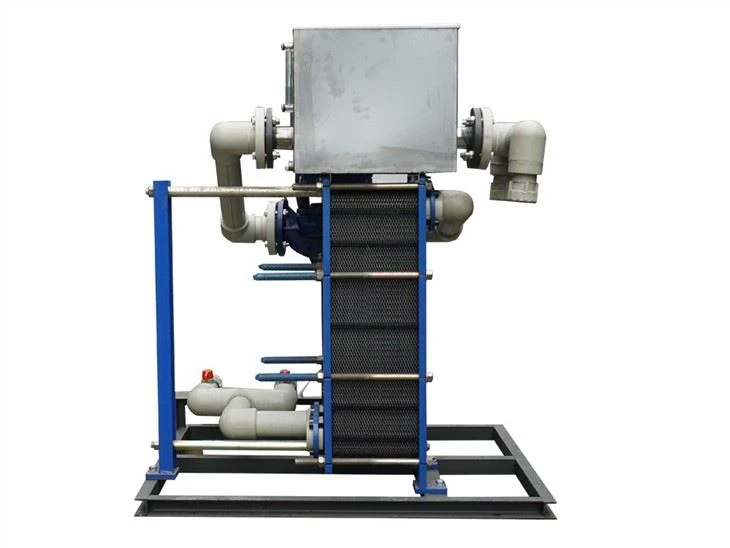
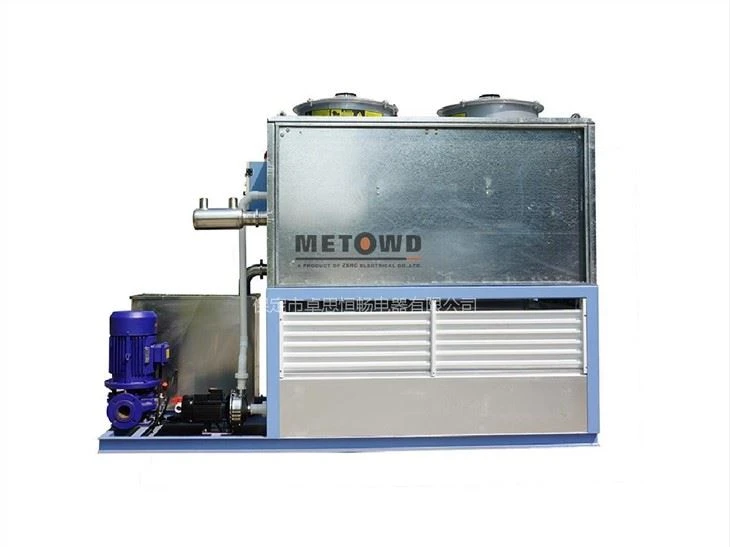
Let's start with the basics. A cooling tower is a device that cools water by removing heat from it through the process of evaporation. It's used in a variety of industries, including power generation, manufacturing, and HVAC systems. A bypass system in a cooling tower is a crucial component that helps regulate the temperature and flow of the water within the system.
Why Do We Need a Bypass System?
There are a few reasons why a bypass system is necessary. First off, sometimes the cooling tower might be over - performing. For example, on a cool day, the ambient air temperature is low, and the cooling tower can cool the water more than required. In such cases, we don't want the water to be too cold because it can cause issues in the equipment that uses the cooled water. A bypass system allows us to divert some of the water around the cooling tower, so it doesn't get over - cooled.
Secondly, during the start - up or shut - down of the system, we need to control the flow of water. A bypass system helps in smoothly integrating the cooling tower into the overall system. It ensures that the water flow is stable and that the cooling tower doesn't experience sudden surges or drops in water volume.
How Does a Bypass System Work?
A bypass system typically consists of a bypass line, valves, and sometimes a control mechanism. The bypass line is a pipe that connects the inlet and outlet of the cooling tower. When the system senses that the water temperature is too low or the flow needs to be adjusted, the valves in the bypass line open.
Let's take a look at the step - by - step process:
1. Sensing the Conditions
There are sensors placed throughout the cooling tower system. These sensors measure parameters like water temperature, flow rate, and pressure. For example, a temperature sensor might be installed at the outlet of the cooling tower. If the sensor detects that the water temperature is below a certain set point, it sends a signal to the control system.
2. Control System Activation
The control system is like the brain of the bypass system. It receives the signals from the sensors and decides whether to open or close the bypass valves. The control system can be a simple mechanical device or a more advanced computer - based system. If the water temperature is too low, the control system will send a signal to open the bypass valves.
3. Valve Operation
Once the control system sends the signal, the valves in the bypass line start to open. There are different types of valves used in bypass systems, such as gate valves, ball valves, or butterfly valves. When the valves open, a portion of the water that would normally flow through the cooling tower is diverted through the bypass line. This means that the water doesn't go through the cooling process in the tower, and its temperature remains relatively stable.
4. Mixing the Water
After the water passes through the bypass line, it rejoins the main water flow. At this point, the bypassed water, which is warmer, mixes with the cooled water from the cooling tower. This helps in achieving the desired water temperature for the equipment that uses the water.
Types of Bypass Systems
There are a couple of common types of bypass systems in cooling towers:
1. Manual Bypass System
In a manual bypass system, the valves are operated by hand. This type of system is usually used in smaller cooling tower setups or in situations where the operating conditions are relatively stable. An operator will monitor the system and adjust the valves based on their observations. However, this method requires constant attention and is not as precise as an automated system.
2. Automatic Bypass System
An automatic bypass system uses the sensors and control mechanisms I mentioned earlier. It can quickly respond to changes in the system conditions without the need for human intervention. This type of system is more common in large - scale industrial applications where precision and efficiency are crucial.
Applications of Bypass Systems
Bypass systems are used in various types of cooling tower applications. For example, in Water - water Cooling System, the bypass system helps in maintaining the right temperature of the water in the heat exchange process. In a water - water cooling system, water is used to cool another stream of water, and the bypass system ensures that the temperature of the cooling water is within the optimal range.
Similarly, in Air - water Cooling System, the bypass system plays a vital role. In an air - water cooling system, air is used to cool the water. The bypass system can adjust the water flow based on the ambient air temperature. If the air is very cold, the bypass system will divert some of the water to prevent over - cooling.
In Water - water Heat Exchanger Cooling Equipment, the bypass system is used to control the temperature of the water entering and leaving the heat exchanger. It ensures that the heat exchanger operates at its maximum efficiency by providing the right temperature of water.
Benefits of a Well - Designed Bypass System
A well - designed bypass system offers several benefits. Firstly, it improves the energy efficiency of the cooling tower. By preventing over - cooling, the system doesn't waste energy in cooling the water more than necessary. This can lead to significant cost savings in the long run.
Secondly, it enhances the lifespan of the equipment. When the water temperature is properly regulated, the components of the cooling tower and the connected equipment are less likely to experience thermal stress. This reduces the wear and tear on the equipment, leading to fewer breakdowns and lower maintenance costs.
Finally, a bypass system provides better control over the overall cooling process. It allows for more precise temperature and flow control, which is essential in industries where the quality of the cooled water directly affects the production process.
Conclusion
So, there you have it! That's how a bypass system works in a cooling tower. It's a simple yet effective way to ensure that the cooling tower operates efficiently and that the water temperature is kept within the desired range.
If you're in the market for a cooling tower or need to upgrade your existing bypass system, we're here to help. Our team of experts can design and install a bypass system that meets your specific requirements. Whether you're looking for a manual or an automatic bypass system, we've got you covered. Contact us today to start a conversation about your cooling tower needs and let's work together to find the best solution for you.
References
- Cooling Tower Handbook, ASHRAE
- Industrial Cooling Systems: Design, Operation, and Maintenance, John Wiley & Sons