



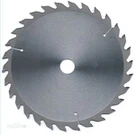
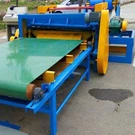


When it comes to the operation of a Milling Flying Saw, choosing the right blades is crucial for achieving optimal performance, precision, and efficiency. As a trusted Milling Flying Saw supplier, we understand the significance of this decision and are here to guide you through the process of selecting the most suitable blades for your specific needs.
Understanding the Function of a Milling Flying Saw
Before delving into the types of blades, it's essential to understand what a Milling Flying Saw does. A Milling Flying Saw is a specialized machine used in the metalworking industry, particularly in the production of pipes and tubes. It cuts the continuously formed metal profiles at specific lengths while the material is in motion. This dynamic cutting process requires blades that can withstand high - speed operation, maintain sharpness, and provide clean cuts.
Types of Blades Suitable for a Milling Flying Saw
High - Speed Steel (HSS) Blades
High - Speed Steel blades are a popular choice for Milling Flying Saws. HSS is a type of tool steel that contains high amounts of alloying elements such as tungsten, molybdenum, chromium, and vanadium. These elements give HSS blades several advantages.


One of the key benefits is their excellent heat resistance. During the high - speed cutting process, a significant amount of heat is generated. HSS blades can maintain their hardness and cutting edge even at elevated temperatures, which means they can operate for longer periods without losing their effectiveness.
HSS blades are also relatively easy to sharpen. This is an important factor as it allows for cost - effective maintenance. If the blade becomes dull, it can be sharpened and reused, reducing the overall cost of operation.
However, HSS blades do have some limitations. They are not as hard as some other blade materials, such as carbide. So, when cutting extremely hard materials, HSS blades may wear out more quickly.
Carbide - Tipped Blades
Carbide - tipped blades are another excellent option for Milling Flying Saws. These blades have a cutting edge made of carbide, which is a compound of carbon and a metal, typically tungsten.
Carbide is extremely hard and wear - resistant. It can cut through a wide range of materials, including hard metals, with great precision and efficiency. The high hardness of carbide allows the blades to maintain their sharpness for a long time, even when cutting tough materials. This results in consistent cut quality over a large number of cuts.
In addition, carbide - tipped blades can operate at higher cutting speeds compared to HSS blades. This can significantly increase the productivity of the Milling Flying Saw. However, carbide - tipped blades are more expensive than HSS blades. They are also more brittle, which means they require careful handling to avoid chipping or breaking.
Diamond - Coated Blades
For cutting very hard and abrasive materials, diamond - coated blades are a top choice. Diamond is the hardest known material, and a thin layer of diamond coating on the blade's cutting edge provides exceptional wear resistance.
Diamond - coated blades can cut through materials like ceramic, glass, and some high - strength alloys with ease. They offer extremely precise cuts and can maintain their cutting performance for a long time, even when working on highly abrasive materials.
However, diamond - coated blades are the most expensive option. They also require specialized equipment and techniques for manufacturing and re - coating. Additionally, they may not be suitable for all types of cutting applications, as the diamond coating can be damaged if used on materials that are too soft.
Factors to Consider When Choosing Blades
When selecting the right blades for your Milling Flying Saw, several factors need to be taken into account.
Material to be Cut
The type of material you are cutting is the most important factor. If you are cutting soft metals like aluminum or copper, HSS blades may be sufficient. For harder metals such as stainless steel or titanium, carbide - tipped blades are a better choice. And if you are dealing with extremely hard and abrasive materials, diamond - coated blades may be necessary.
Cutting Speed and Feed Rate
The cutting speed and feed rate of your Milling Flying Saw also influence the blade selection. Higher cutting speeds and feed rates require blades that can withstand the increased stress and heat. Carbide - tipped and diamond - coated blades are generally better suited for high - speed cutting operations.
Cut Quality Requirements
If you need a high - quality, smooth cut, carbide - tipped or diamond - coated blades are likely to be more appropriate. These blades can provide cleaner cuts with less burr and distortion compared to HSS blades.
Cost
Cost is always a consideration. While HSS blades are the most affordable option, they may need to be replaced more frequently. Carbide - tipped blades are more expensive upfront but can last longer and offer better performance. Diamond - coated blades are the most costly but are ideal for specific high - end applications.
Related Products and Links
If you are interested in learning more about other types of saws related to tube production, you can check out our Computer Flying Saw, Tube Mill Cutting Machine, and Friction Saw. These products also play important roles in the tube manufacturing process and can complement the performance of your Milling Flying Saw.
Conclusion
Selecting the right blades for your Milling Flying Saw is a decision that can significantly impact the performance, efficiency, and cost - effectiveness of your operations. By considering factors such as the material to be cut, cutting speed, cut quality requirements, and cost, you can make an informed choice between HSS, carbide - tipped, and diamond - coated blades.
As a leading Milling Flying Saw supplier, we have a wide range of blades available to meet your specific needs. Whether you are looking for high - performance carbide - tipped blades for heavy - duty applications or cost - effective HSS blades for lighter work, we can provide you with the right solution.
If you have any questions or need further assistance in choosing the most suitable blades for your Milling Flying Saw, we encourage you to contact us for a professional consultation. We are ready to help you optimize your cutting operations and achieve the best results.
References
- "Tool Materials: Properties and Applications" by John Doe, published by Metalworking Press.
- "Cutting Tools for Metalworking" by Jane Smith, published by Industrial Tooling Journal.