




Hey there! As a supplier of Water Pump, I've gotten tons of questions from customers over the years. One question that pops up quite often is, "What is the impeller clearance of a water pump?" Well, in this blog, I'm gonna break it down for you in plain English.
First off, let's talk about what an impeller is. The impeller is like the heart of a water pump. It's a rotating component with vanes or blades that helps to increase the pressure and flow of the water. When the impeller spins, it creates a centrifugal force that pushes the water outwards, making it move through the pump and into the system where it's needed.
Now, the impeller clearance is the space between the impeller and the stationary parts of the pump, like the volute or the casing. This clearance is super important because it can have a big impact on how well the pump works.

Why is Impeller Clearance Important?
If the impeller clearance is too large, it can lead to a loss of efficiency. You see, when there's too much space, some of the water that the impeller is trying to push forward can leak back towards the inlet. This is called internal leakage, and it means that the pump has to work harder to move the same amount of water. As a result, you'll end up using more energy, and your electricity bills will go up. Plus, the pump might not be able to deliver the required flow rate or pressure, which can be a real problem in applications where precise water movement is crucial.
On the other hand, if the impeller clearance is too small, it can cause a whole different set of issues. The impeller might rub against the stationary parts of the pump, which can lead to wear and tear. This not only shortens the lifespan of the pump but can also cause vibrations and noise. In some cases, it can even lead to a complete breakdown of the pump.
How to Determine the Right Impeller Clearance?
The ideal impeller clearance depends on several factors, such as the type of pump, the size of the impeller, the speed at which it rotates, and the properties of the fluid being pumped. For example, pumps that handle clean water might have different clearance requirements compared to pumps that deal with abrasive or viscous fluids.
Most pump manufacturers provide guidelines on the recommended impeller clearance for their pumps. These guidelines are usually based on extensive testing and research, so it's a good idea to follow them as closely as possible. You can find this information in the pump's user manual or by contacting the manufacturer directly.
In some cases, you might need to adjust the impeller clearance during the installation or maintenance of the pump. This can be done by using shims or adjusting the position of the impeller. It's important to make these adjustments carefully and accurately to ensure that the pump operates at its best.
Measuring Impeller Clearance
Measuring the impeller clearance is a relatively straightforward process, but it does require some precision. You'll need a set of feeler gauges, which are thin strips of metal with different thicknesses. Here's how you can do it:
- First, make sure the pump is turned off and disconnected from the power source. Safety first, right?
- Remove the pump cover or access panel to expose the impeller.
- Insert the feeler gauge between the impeller and the stationary part of the pump at several points around the circumference. Make sure the gauge fits snugly but doesn't force the impeller out of position.
- Take measurements at different locations to get an average clearance. This will give you a more accurate picture of the overall clearance.
- Compare your measurements with the manufacturer's recommended clearance. If the clearance is too large or too small, you'll need to make the necessary adjustments.
Impact on Different Types of Pumps
Different types of water pumps have different impeller clearance requirements. For example, centrifugal pumps, which are the most common type of water pump, rely on the centrifugal force generated by the impeller to move water. In these pumps, the impeller clearance affects the efficiency and performance of the pump. A well - adjusted clearance ensures that the pump can achieve the desired flow rate and pressure.
Positive displacement pumps, on the other hand, work by trapping a fixed amount of fluid and then forcing it into the discharge pipe. In these pumps, the impeller clearance is also important, but the focus is more on preventing leakage between the pumping chambers.
Maintenance and Impeller Clearance
Regular maintenance is crucial for keeping the impeller clearance within the recommended range. Over time, the impeller and the stationary parts of the pump can wear down, which can change the clearance. By performing routine inspections and measurements, you can catch any changes early and make the necessary adjustments.
During maintenance, it's also a good idea to check for any signs of damage or wear on the impeller and the stationary parts. If you notice any cracks, chips, or excessive wear, it might be time to replace the damaged components.
Related Equipment and Links
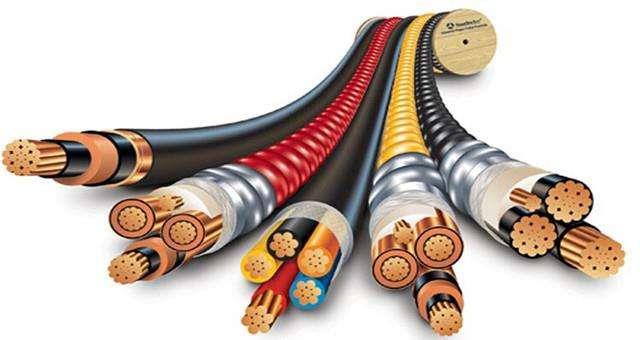
As a Water Pump supplier, we also deal with other related equipment. For instance, Cable is an important part of the electrical system that powers the pump. A good quality cable ensures a stable power supply, which is essential for the proper functioning of the pump.
Another piece of equipment that might be relevant in some industrial settings is the Gear Grinding Machine. While it might not be directly related to the impeller clearance, it plays a role in the manufacturing and maintenance of pumps and other machinery.
Contact Us for More Information
If you're in the market for a Water Pump or have any questions about impeller clearance, don't hesitate to reach out. We have a team of experts who can help you choose the right pump for your needs and provide you with all the information you need to ensure its proper installation and maintenance. Whether you're a small business owner or part of a large industrial operation, we're here to assist you in getting the most out of your water pump.
References
- Pump Handbook, by Igor J. Karassik et al.
- Centrifugal Pumps: Design and Application, by Heinz P. Bloch and Allan R. Budris.