




Hey there! As a decoiler supplier, I often get asked about the heat dissipation performance of decoilers. It's a crucial aspect, especially when these machines are running for long hours or under heavy loads. So, let's dive right into it and explore what the heat dissipation performance of a decoiler is all about.
First off, what exactly is a decoiler? A decoiler is a machine used in various industries, mainly in metalworking, to unwind coils of materials like steel, aluminum, and copper. It plays a vital role in the production line, ensuring a smooth and continuous supply of materials. There are different types of decoilers available, such as the Double Head Decoiler and the Double Arms Uncoiler, each with its own unique features and applications. You can also check out our general Decoiler for more details.
Now, let's talk about heat dissipation. When a decoiler is in operation, various components generate heat. The motor, for example, is a major heat source. As it works to rotate the coil and unwind the material, it consumes electrical energy, and a significant portion of this energy is converted into heat. Friction between moving parts, such as the bearings and the shaft, also contributes to heat generation. If this heat isn't dissipated properly, it can lead to a range of problems.
One of the main issues caused by poor heat dissipation is overheating. When the temperature of the decoiler components rises too high, it can damage the insulation of the motor windings. This can lead to short - circuits, which not only stop the machine from working but can also pose a safety hazard. Overheating can also cause the lubricants in the bearings to break down. Lubricants are essential for reducing friction and wear between moving parts. When they break down due to high temperatures, the friction increases, leading to faster wear and tear of the bearings. This can result in costly repairs and downtime for the production line.
So, how do we measure the heat dissipation performance of a decoiler? There are a few key factors to consider. The first is the temperature rise. This is the difference between the temperature of the component when the decoiler is in operation and its ambient temperature. A well - designed decoiler should have a relatively low temperature rise. For example, if the ambient temperature is 25°C and the motor temperature reaches only 60°C during normal operation, it indicates good heat dissipation.
Another important factor is the cooling rate. This is how quickly the decoiler can dissipate heat once it stops operating. A decoiler with a high cooling rate can return to a safe operating temperature faster, allowing for shorter downtime between production runs.
To achieve good heat dissipation performance, decoilers are equipped with different cooling methods. One common method is natural convection. In this method, the heat is transferred from the hot components to the surrounding air through natural air movement. The decoiler is designed with fins or heat sinks on the motor and other heat - generating components. These fins increase the surface area of the components, allowing more heat to be transferred to the air.
For more demanding applications, forced convection cooling may be used. This involves using fans or blowers to force air over the hot components. The fans can be either built - in or externally mounted. Forced convection cooling is much more effective than natural convection, as it can increase the air flow rate and remove heat more quickly.
Liquid cooling is another option for high - performance decoilers. In this method, a coolant, such as water or a special coolant fluid, is circulated through channels in the motor or other heat - generating components. The coolant absorbs the heat and transfers it to a radiator, where it is dissipated into the air. Liquid cooling is very efficient but is also more complex and expensive to implement.
As a decoiler supplier, we pay a lot of attention to the heat dissipation performance of our products. We use high - quality materials for the heat - generating components, which have good thermal conductivity. This helps to transfer the heat away from the critical parts more effectively. We also conduct extensive testing during the design and manufacturing process to ensure that our decoilers meet the required heat dissipation standards.
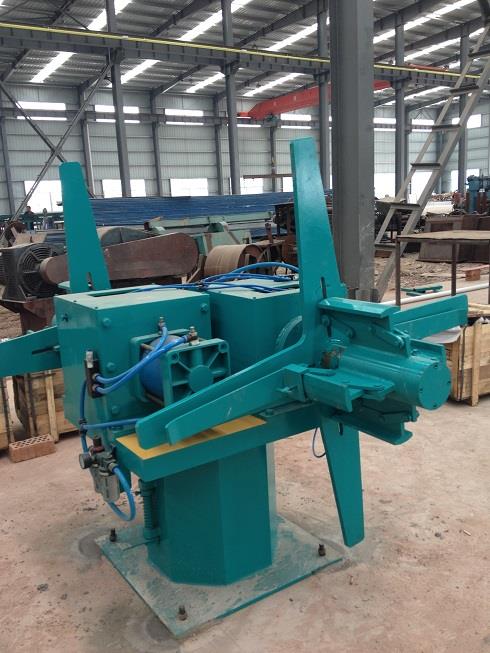

In addition to the technical aspects, we also provide our customers with proper installation and maintenance guidelines. Correct installation, such as ensuring proper ventilation around the decoiler, is crucial for good heat dissipation. Regular maintenance, including cleaning the heat sinks and checking the fans or coolant systems, can also help to maintain the heat dissipation performance over time.
If you're in the market for a decoiler and are concerned about its heat dissipation performance, don't hesitate to reach out to us. We can provide you with detailed information about our products, including their heat dissipation capabilities. Whether you need a Double Head Decoiler, a Double Arms Uncoiler, or our general Decoiler, we have the expertise and the products to meet your needs. Contact us today to start a discussion about your specific requirements and let's find the perfect decoiler for your production line.
References:
- Industrial Machinery Handbook: Covers general information about machinery operation and heat management.
- Decoiler Manufacturer's Technical Manuals: Provide in - depth details about the design and performance of decoilers.