





What is the function of a flux in a melting furnace? Well, let me break it down for you. I'm from a melting furnace supplier, and I've seen firsthand how important fluxes are in the melting process.
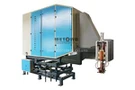
First off, let's talk about what a melting furnace is. A Melting Furnace is a device used to heat materials to a molten state. Whether you're working with metals like iron, aluminum, or copper, or other materials, the furnace provides the high temperatures needed for melting.
Now, a flux is a chemical compound that we add to the melting process. One of the main functions of a flux is to remove impurities. When we melt metals, there are often unwanted substances like oxides, sulfides, and other non - metallic inclusions present. These impurities can weaken the final product and affect its quality. Fluxes react with these impurities, forming a slag that floats on top of the molten metal. This slag can then be easily removed, leaving behind a cleaner, purer molten metal.
For example, in the case of copper melting, copper can form copper oxide on its surface when heated. A flux can react with this copper oxide, converting it into a compound that is part of the slag. This helps in getting a better - quality copper product.
Another important function of a flux is to protect the molten metal from further oxidation. When metals are in a molten state, they are highly reactive with oxygen in the air. This can lead to the formation of more oxides, which is not desirable. Fluxes form a protective layer on the surface of the molten metal, acting as a barrier between the metal and the oxygen in the air. This way, we can prevent additional oxidation and maintain the quality of the molten metal.
Fluxes also play a role in reducing the surface tension of the molten metal. Surface tension is like a "skin" on the surface of the liquid, and it can sometimes prevent the metal from flowing properly and filling the mold evenly. By reducing the surface tension, fluxes make the molten metal more fluid. This is crucial for casting processes, as it allows the metal to reach all parts of the mold, resulting in a more accurate and well - formed casting.


In some melting furnaces, like the M.F Melting Furnace, the choice of flux can be very specific. Different metals and melting conditions require different types of fluxes. For instance, fluxes for ferrous metals (like iron and steel) are different from those used for non - ferrous metals (like aluminum and copper).
Let's take a look at some common types of fluxes. Borax is a well - known flux that is often used in small - scale melting operations. It's relatively inexpensive and can be effective in removing oxides from metals. Another type is fluoride - based fluxes, which are more commonly used in industrial settings. These fluxes are very powerful in removing impurities and are suitable for high - temperature melting processes.
Now, how do we use fluxes in a melting furnace? First, we need to select the right flux for the metal we're melting. The amount of flux to be added also matters. Too little flux may not be enough to remove all the impurities, while too much can be wasteful and may even cause other problems. Usually, we add the flux to the furnace either before adding the metal or along with it.
When the flux is added, it starts to react with the impurities as the temperature rises. As the reaction occurs, the slag forms and floats to the top. We can then use a skimmer to remove the slag from the surface of the molten metal. This process may need to be repeated a few times to ensure that all the impurities are removed.
In our experience as a melting furnace supplier, customers often ask about the best fluxes to use with our Melting Furnace. We always recommend doing some research based on the specific metal and the melting conditions. Sometimes, it may also be a good idea to consult with a flux manufacturer or an expert in the field.
The use of fluxes in a melting furnace is not just about getting a pure molten metal. It also has an impact on the overall efficiency of the melting process. By removing impurities and reducing oxidation, we can reduce the amount of scrap and re - melting that is needed. This saves time, energy, and money in the long run.
If you're in the business of metal melting and casting, understanding the function of fluxes is essential. And if you're looking for a reliable melting furnace, we're here to help. Our melting furnaces are designed to work effectively with different types of fluxes, ensuring a smooth and efficient melting process.
Whether you're a small - scale jeweler melting precious metals or a large - scale industrial manufacturer working with tons of metal, the right combination of a melting furnace and flux can make a huge difference in the quality of your final product.
If you're interested in learning more about our melting furnaces or have questions about the use of fluxes, don't hesitate to reach out. We're happy to have a chat and discuss how we can meet your melting needs. Let's work together to take your metal melting operations to the next level.
References
- "Handbook of Metal Casting"
- "Principles of Metallurgy"
- Industry - specific technical bulletins on fluxes and melting furnaces