




Humidity is an environmental factor that often goes unnoticed in many industrial processes, yet it can have a significant impact on the performance and longevity of various tools and equipment. As a supplier of Welding Magnetic Bars, I have witnessed firsthand how humidity can affect these essential tools. In this blog post, I will delve into the effects of humidity on Welding Magnetic Bars, exploring both the short - term and long - term consequences.
Short - term Effects of Humidity on Welding Magnetic Bars
In the short term, high humidity can lead to a decrease in the magnetic strength of Welding Magnetic Bars. The presence of moisture in the air can cause a thin layer of water to form on the surface of the magnetic bar. This water layer acts as an insulator, reducing the magnetic field's ability to penetrate and interact effectively with the metal objects it is supposed to hold.
When a Welding Magnetic Bar is used in a humid environment, the reduced magnetic strength may result in less secure clamping of the workpieces. This can be particularly dangerous in welding operations, as even a slight movement of the workpiece can lead to inaccurate welds, poor joint quality, and potential safety hazards. For example, if a magnetic bar fails to hold a metal plate firmly in place during welding, the plate may shift, causing the weld to be misaligned or incomplete.
Moreover, humidity can also affect the surface finish of the Welding Magnetic Bar. The water droplets on the surface can react with the metal, leading to the formation of a thin layer of rust or corrosion. This not only affects the appearance of the magnetic bar but can also cause it to lose its smooth finish. A rough surface can make it more difficult to clean the magnetic bar and may also interfere with the proper placement of workpieces on the bar.
Long - term Effects of Humidity on Welding Magnetic Bars
Over an extended period, the continuous exposure to high humidity can cause severe damage to Welding Magnetic Bars. Corrosion is one of the most significant long - term effects. When the metal of the magnetic bar is exposed to moisture and oxygen in the air, a chemical reaction occurs, leading to the formation of iron oxide (rust). Rust weakens the structure of the magnetic bar, reducing its mechanical strength and magnetic properties.
As the corrosion progresses, the magnetic bar may start to develop cracks or pits on its surface. These structural defects can cause the magnetic field to be unevenly distributed, further reducing the bar's ability to hold workpieces securely. In some cases, the corrosion can be so severe that the magnetic bar becomes completely unusable and needs to be replaced.
Another long - term effect of humidity is the degradation of the magnetic material itself. Moisture can penetrate the magnetic material, altering its molecular structure and reducing its magnetic coercivity. Coercivity is a measure of the ability of a magnetic material to resist demagnetization. A decrease in coercivity means that the magnetic bar is more likely to lose its magnetism over time, even when not in use.
Preventive Measures
To mitigate the effects of humidity on Welding Magnetic Bars, several preventive measures can be taken. Firstly, it is essential to store the magnetic bars in a dry environment. This can be achieved by using dehumidifiers in storage areas or by keeping the bars in sealed containers with desiccant packs.
Regular cleaning and maintenance of the magnetic bars are also crucial. After each use, the bars should be wiped clean to remove any moisture or debris. Applying a protective coating, such as a rust - resistant paint or a clear sealant, can also help to prevent corrosion.
In addition, when using Welding Magnetic Bars in humid environments, it is advisable to use them in conjunction with other clamping methods. For example, mechanical clamps can be used to provide additional support and ensure that the workpieces are held firmly in place, even if the magnetic strength is reduced.
Impact on the Welding Industry
The effects of humidity on Welding Magnetic Bars have a broader impact on the welding industry. Welding is a critical process in many sectors, including construction, automotive manufacturing, and shipbuilding. Any issues with the performance of Welding Magnetic Bars can lead to delays in production, increased costs due to rework, and a decrease in the overall quality of the welded products.
For suppliers like us, it is important to educate our customers about the effects of humidity on Welding Magnetic Bars. We need to provide them with information on proper storage, maintenance, and usage to ensure that the magnetic bars perform optimally and have a long service life.
Related Products
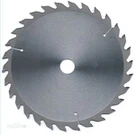
As a supplier, we also offer a range of related products that can be used in conjunction with Welding Magnetic Bars. For example, Cold Saw Blade is an essential tool for cutting metal before welding. A high - quality cold saw blade can ensure clean and accurate cuts, which are crucial for successful welding operations.
Another related product is the Induction Coil. Induction coils are used in some welding processes to heat the metal quickly and efficiently. They can work in harmony with Welding Magnetic Bars to improve the overall welding process.
We also supply PFT Board, which is often used as a backing material in welding. PFT boards can help to protect the work surface and improve the quality of the weld.
Conclusion
In conclusion, humidity can have a significant impact on Welding Magnetic Bars, both in the short term and the long term. From reducing magnetic strength and causing surface corrosion to degrading the magnetic material over time, the effects of humidity can compromise the performance and longevity of these essential tools.
As a supplier of Welding Magnetic Bars, we are committed to providing high - quality products and ensuring that our customers are aware of the potential issues related to humidity. By taking appropriate preventive measures and using related products, customers can maximize the performance of their Welding Magnetic Bars and achieve better welding results.
If you are interested in purchasing Welding Magnetic Bars or any of our related products, we encourage you to contact us for a detailed discussion. Our team of experts is ready to assist you in finding the right solutions for your welding needs.


References
- "Handbook of Magnetic Materials" by Klaus H. J. Buschow
- "Corrosion and Protection of Metals" by W. H. Ailor
- "Welding Technology and Processes" by John C. Lippold and David A. Kotecki