





What is the cutting speed of a cold saw blade?
As a supplier of Cold Saw Blades, I've had numerous customers inquire about the cutting speed of these essential tools. Understanding the cutting speed is crucial for achieving optimal performance, efficiency, and quality in cutting operations. In this blog post, I'll delve into the concept of cutting speed, factors that influence it, and how to determine the appropriate cutting speed for your specific application.
Understanding Cutting Speed
Cutting speed refers to the rate at which the cutting edge of the saw blade moves through the material being cut. It is typically measured in surface feet per minute (SFM) or meters per minute (m/min). The cutting speed is a critical parameter because it directly affects the cutting performance, tool life, and the quality of the cut.
A higher cutting speed generally results in faster material removal and increased productivity. However, if the cutting speed is too high, it can lead to excessive heat generation, rapid tool wear, and poor cut quality. On the other hand, a lower cutting speed may result in slower cutting times and inefficient use of the saw blade.
Factors Affecting Cutting Speed
Several factors influence the cutting speed of a cold saw blade. These include:
- Material Type: Different materials have different hardness, toughness, and machinability characteristics. Harder materials, such as stainless steel and titanium, require lower cutting speeds compared to softer materials, such as aluminum and mild steel.
- Material Thickness: Thicker materials generally require lower cutting speeds to ensure proper chip evacuation and prevent overloading the saw blade.
- Saw Blade Diameter: Larger diameter saw blades typically require higher cutting speeds to maintain the same surface speed at the cutting edge.
- Tooth Geometry: The tooth geometry of the saw blade, including the tooth pitch, rake angle, and clearance angle, can affect the cutting speed. Blades with finer tooth pitches are generally used for thinner materials and higher cutting speeds, while blades with coarser tooth pitches are used for thicker materials and lower cutting speeds.
- Cutting Conditions: The cutting conditions, such as the feed rate, coolant usage, and cutting pressure, can also affect the cutting speed. Using a coolant can help reduce heat generation and extend the tool life, allowing for higher cutting speeds.
Determining the Appropriate Cutting Speed
To determine the appropriate cutting speed for your specific application, you can refer to the manufacturer's recommendations or use a cutting speed calculator. Most saw blade manufacturers provide cutting speed charts that list the recommended cutting speeds for different materials and saw blade diameters.
When using a cutting speed calculator, you will need to input the material type, material thickness, saw blade diameter, and tooth geometry. The calculator will then provide you with the recommended cutting speed in SFM or m/min.
It's important to note that the recommended cutting speeds are just guidelines, and you may need to adjust them based on your specific cutting conditions and requirements. You can start with the recommended cutting speed and gradually increase or decrease it based on the performance and quality of the cut.
Benefits of Using the Right Cutting Speed
Using the right cutting speed offers several benefits, including:
- Improved Productivity: By using the optimal cutting speed, you can achieve faster material removal and increase your productivity.
- Extended Tool Life: Cutting at the appropriate speed helps reduce heat generation and tool wear, extending the life of your saw blade.
- Better Cut Quality: Using the right cutting speed ensures a clean, smooth cut with minimal burrs and distortion.
- Cost Savings: By extending the tool life and improving productivity, you can reduce your overall cutting costs.
Our Cold Saw Blades
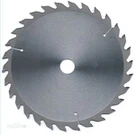
At our company, we offer a wide range of high-quality Cold Saw Blades Cold Saw Blade designed to meet the diverse needs of our customers. Our saw blades are made from premium materials and feature advanced tooth geometries for superior cutting performance and durability.
We also provide comprehensive technical support and guidance to help you select the right saw blade and determine the appropriate cutting speed for your specific application. Whether you're cutting aluminum, steel, or other materials, our team of experts can help you achieve the best results.
In addition to Cold Saw Blades, we also offer other tube mill line consumables, such as PFT Board and Internal Burr Scraper Head, to ensure the smooth operation of your tube mill line.
Contact Us for Your Cutting Needs
If you're looking for high-quality Cold Saw Blades or other tube mill line consumables, we'd love to hear from you. Our team of experts is ready to assist you with your cutting needs and help you find the right solutions for your application.


Whether you have questions about cutting speed, need help selecting the right saw blade, or want to place an order, please don't hesitate to contact us. We're committed to providing our customers with the best products and services at competitive prices.
Let's work together to achieve optimal cutting performance and efficiency in your operations.
References
- "Cutting Tool Applications" by Eugene A. Avallone and Theodore Baumeister III.
- "Machining Fundamentals" by John T. Black and Ronald A. Kohser.
- Manufacturer's technical documentation and cutting speed charts.