




Hey there! As an air compressor supplier, I've been dealing with these machines day in and day out. Air compressors are super handy devices used in a wide range of industries, from manufacturing to automotive repair. Today, I'm gonna break down the different parts of an air compressor so you can have a better understanding of how these things work.
The Power Source
Let's start with the power source. This is what gets the whole compressor going. Most air compressors run on either electricity or gasoline. Electric air compressors are great for indoor use because they're relatively quiet and don't produce any exhaust fumes. They're also more energy - efficient in many cases. On the other hand, gasoline - powered air compressors are perfect for outdoor jobs where there's no access to an electrical outlet. They're more powerful and can handle heavy - duty tasks. If you're looking for a reliable power source for your air compressor, make sure to consider your specific needs and usage scenarios.
The Compressor Pump
The compressor pump is the heart of the air compressor. Its main job is to compress the air. There are two main types of compressor pumps: reciprocating and rotary. Reciprocating pumps use pistons to compress the air. They work like the engine in your car, with pistons moving up and down in cylinders. These pumps are known for their high - pressure output and are commonly used in small to medium - sized air compressors. Rotary pumps, on the other hand, use rotating elements like screws or vanes to compress the air. They're more efficient and can run continuously for long periods, making them ideal for industrial applications.
The Air Tank
The air tank is where the compressed air is stored. It acts as a reservoir, allowing the compressor to run intermittently. When the pressure in the tank drops below a certain level, the compressor kicks in to refill it. The size of the air tank is an important factor to consider. A larger tank can store more compressed air, which means the compressor doesn't have to run as often. This can extend the life of the compressor and reduce energy consumption. However, larger tanks also take up more space, so you need to balance your needs with the available space.
The Pressure Switch
The pressure switch is a crucial part of the air compressor. It monitors the pressure in the air tank and controls when the compressor turns on and off. When the pressure in the tank drops to a pre - set low level, the pressure switch sends a signal to the compressor to start running. Once the pressure reaches a pre - set high level, the switch tells the compressor to stop. This automatic control helps to maintain a consistent pressure in the tank and protects the compressor from over - pressurization.
The Safety Valve
Safety first! The safety valve is designed to release excess pressure from the air tank if the pressure switch fails or if there's a malfunction in the system. It's a critical safety feature that prevents the tank from exploding. You should always check the safety valve regularly to make sure it's working properly. If you notice any signs of damage or if the valve is leaking, it's important to replace it immediately.
The Regulator
The regulator is used to control the pressure of the air that comes out of the compressor. Different tools and applications require different air pressures. The regulator allows you to adjust the output pressure to match the requirements of your specific tool or task. This ensures that you're using the right amount of air pressure, which can improve the performance of your tools and prevent damage.
The Filters
Filters are used to remove contaminants from the air before it enters the compressor and before it's released to the tools. There are usually two types of filters: air intake filters and oil filters. Air intake filters prevent dust, dirt, and other particles from entering the compressor, which can damage the pump and other components. Oil filters, if the compressor uses oil, remove impurities from the oil, ensuring smooth operation and extending the life of the compressor.
The Hoses and Fittings
Hoses and fittings are used to connect the air compressor to the tools. They need to be strong, flexible, and leak - free. The size and type of hoses and fittings you need depend on the air flow requirements of your tools and the distance between the compressor and the tools. Make sure to choose high - quality hoses and fittings to prevent air leaks, which can reduce the efficiency of the compressor and waste energy.
Other Auxiliary Parts
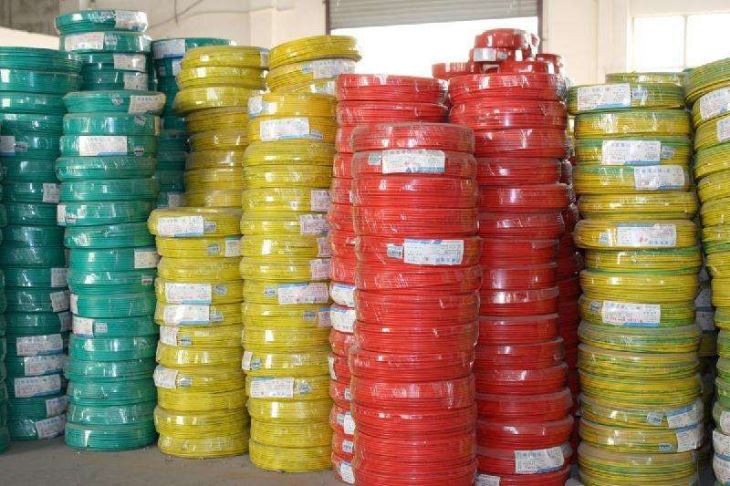
There are also some other auxiliary parts that can enhance the performance and functionality of an air compressor. For example, a Pipe Stacking Device can be used in industrial settings to manage the storage and handling of pipes. A Water Pump can be used to cool the compressor or to remove condensate from the system. And a Cable is essential for providing power to the compressor, especially in the case of electric models.
Now that you know all about the different parts of an air compressor, you're better equipped to choose the right one for your needs. Whether you're a DIY enthusiast or a professional in an industrial setting, understanding these components can help you make an informed decision.
If you're in the market for an air compressor or if you have any questions about the parts and how they work, don't hesitate to reach out. We're here to help you find the perfect air compressor solution for your specific requirements. Contact us for more information and let's start a discussion about your procurement needs.

References
- Compressed Air Systems Handbook, various industry publications
- Manufacturer's manuals for different air compressor models