







As a supplier of Bridge Cranes, I understand the critical importance of ensuring the mechanical parts of these heavy - duty machines are in top - notch condition. Bridge cranes are widely used in various industries such as manufacturing, construction, and warehousing, where they play a pivotal role in lifting and moving heavy loads. Regular inspection of their mechanical parts is not only essential for safety but also for the efficient and long - term operation of the crane. In this blog, I will discuss the key inspection items for the mechanical parts of a Bridge Crane.
1. Hoisting Mechanism
The hoisting mechanism is one of the most crucial parts of a Bridge Crane, responsible for lifting and lowering the load.
- Wire Ropes:
- Check for any signs of wear, such as broken wires, corrosion, or kinking. Broken wires can significantly reduce the strength of the wire rope and increase the risk of failure. Corrosion can also weaken the rope over time. Inspect the entire length of the wire rope, paying special attention to the areas near the drum and the sheaves.
- Measure the diameter of the wire rope at several points. If the diameter has decreased beyond the allowable limit specified by the manufacturer, the wire rope should be replaced.
- Drum:
- Examine the drum for any signs of cracks, wear, or deformation. Cracks can lead to sudden failure of the drum, while excessive wear can cause the wire rope to slip or damage.
- Check the alignment of the drum. Misaligned drums can cause uneven winding of the wire rope, leading to premature wear and potential safety hazards.
- Sheaves:
- Inspect the sheaves for wear on the grooves. Worn grooves can cause the wire rope to wear more quickly and may also lead to the rope jumping out of the groove.
- Ensure that the sheaves rotate freely without any binding or excessive noise. Check the bearings of the sheaves for signs of damage or wear.
2. Traveling Mechanisms
The traveling mechanisms allow the bridge crane to move along the runway and the trolley to move across the bridge.

- Wheels:
- Check the tread of the wheels for wear. Worn wheels can cause the crane to move unevenly, leading to increased stress on other components and potential derailment.
- Inspect the wheels for cracks or damage. Cracks can compromise the structural integrity of the wheels and pose a serious safety risk.
- Ensure that the wheels are properly aligned. Misaligned wheels can cause the crane to veer off - course and increase the wear on the rails.
- Drive System:
- For electric - driven traveling mechanisms, check the motors, gearboxes, and couplings. Look for any signs of overheating, unusual noise, or vibration in the motors. Overheating can indicate a problem with the motor's electrical or mechanical components.
- Inspect the gearboxes for proper lubrication. Low lubricant levels or contaminated lubricant can cause excessive wear on the gears. Check for any leaks in the gearbox housing.
- Examine the couplings for any signs of misalignment or damage. Misaligned couplings can cause premature wear on the drive components and reduce the efficiency of the system.
3. Structural Components
The structural components of the bridge crane provide the framework that supports the hoisting and traveling mechanisms.
- Bridge Girder:
- Inspect the bridge girder for cracks, especially at the welds and the stress - concentrated areas. Cracks can propagate over time and lead to the failure of the girder.
- Check for any signs of deformation, such as sagging or twisting. Deformation can affect the stability and performance of the crane.
- Measure the camber of the bridge girder. The camber should be within the allowable range specified by the manufacturer.
- End Trucks:
- Examine the end trucks for damage or wear. The end trucks support the bridge girder and allow it to move along the runway. Check the connections between the end trucks and the bridge girder for tightness.
- Inspect the bumpers on the end trucks. The bumpers are designed to absorb the impact when the crane reaches the end of the runway. Ensure that the bumpers are in good condition and properly installed.
4. Braking Systems
Braking systems are essential for the safe operation of the bridge crane, as they are used to stop the movement of the hoisting and traveling mechanisms.
- Hoisting Brake:
- Check the brake pads for wear. Worn brake pads can reduce the braking force and increase the stopping distance of the hoist. Replace the brake pads if they are worn beyond the recommended thickness.
- Inspect the brake linings for any signs of contamination, such as oil or grease. Contaminated brake linings can significantly reduce the friction coefficient and affect the braking performance.
- Ensure that the brake is properly adjusted. The braking force should be sufficient to hold the load securely but not too strong to cause excessive wear on the components.
- Traveling Brakes:
- Similar to the hoisting brake, check the brake pads and linings of the traveling brakes for wear and contamination.
- Test the braking performance of the traveling mechanisms. The crane should be able to stop within the specified distance when the brakes are applied.
5. Auxiliary Equipment
In addition to the main mechanical parts, there are also some auxiliary equipment that need to be inspected.
- Air Compressor:
- Check the air compressor for proper operation. Listen for any unusual noises, such as rattling or knocking, which may indicate a problem with the internal components.
- Inspect the air filters for clogging. Clogged air filters can reduce the efficiency of the air compressor and increase the energy consumption.
- Check the oil level in the air compressor. Low oil levels can cause damage to the compressor's moving parts.
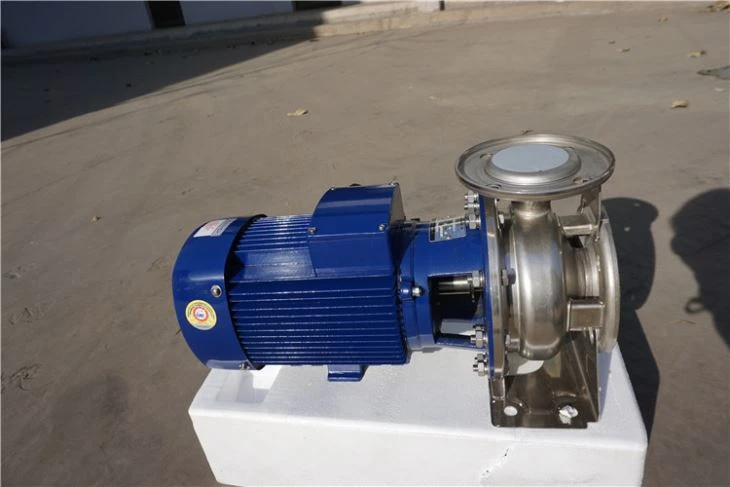
- Water Pump:
- If the bridge crane is equipped with a water pump for cooling or other purposes, check the pump for leaks. Leaks can lead to a loss of coolant or other fluids and may cause the equipment to overheat.
- Ensure that the water pump is operating smoothly. Check the impeller for any signs of damage or blockage.
- Horizontal Accumulator:
- Inspect the horizontal accumulator for any signs of damage, such as dents or cracks. A damaged accumulator can affect the hydraulic or pneumatic system it is part of.
- Check the pressure in the accumulator. The pressure should be within the specified range for proper operation.
Regular inspection of these mechanical parts is crucial for the safe and efficient operation of a Bridge Crane. By identifying and addressing potential problems early, you can prevent costly breakdowns and ensure the safety of your workers and the equipment.
If you are in the market for a high - quality Bridge Crane or need professional advice on crane maintenance and inspection, we are here to help. Our team of experts has extensive experience in the crane industry and can provide you with the best solutions tailored to your specific needs. Contact us to start a procurement discussion and take your operations to the next level.
References
- Crane Manufacturer's Manuals
- Industry Standards and Guidelines for Crane Safety and Maintenance