


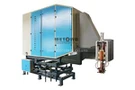


Hey there! As a supplier of Melting Furnaces, I've seen firsthand how crucial it is to maintain the purity of recycled metal in these furnaces. In this blog, I'll share some of the key factors that can affect the purity of recycled metal during the melting process.
1. Source of the Recycled Metal
The first and most obvious factor is the source of the recycled metal. Metals can come from a variety of places, such as scrap yards, industrial waste, and end - of - life products. Different sources can have different levels of contaminants.
For example, if the recycled metal is sourced from an old electronic device, it might contain small amounts of precious metals like gold and silver, but it could also be contaminated with plastics, glass, and other non - metallic materials. These contaminants can end up in the molten metal if not properly removed before melting. On the other hand, recycled metal from a well - managed industrial scrap yard might have fewer contaminants, as they usually have better sorting and pre - processing systems.
If you're in the market for a reliable Melting Furnace to handle different sources of recycled metal, we've got you covered.
2. Pre - processing of the Recycled Metal
Before the recycled metal goes into the melting furnace, proper pre - processing is essential. This includes sorting, cleaning, and shredding.


Sorting helps separate different types of metals from each other and removes non - metallic materials. For instance, separating aluminum from steel can prevent cross - contamination. Cleaning is also important. The recycled metal might be dirty, with dirt, oil, or paint on its surface. These substances can introduce impurities into the molten metal. Shredding the metal into smaller pieces can increase the surface area, which can improve the melting efficiency and also help in the removal of contaminants during the melting process.
Without proper pre - processing, even the best Melting Furnace might struggle to produce high - purity recycled metal.
3. Furnace Design and Operation
The design of the melting furnace plays a significant role in determining the purity of the recycled metal. Different types of furnaces, such as electric arc furnaces, induction furnaces, and reverberatory furnaces, have different characteristics.
Electric arc furnaces use high - intensity electric arcs to melt the metal. They can reach very high temperatures, which can help in melting even difficult - to - melt metals. However, the electrodes used in these furnaces can sometimes introduce impurities into the molten metal. Induction furnaces, on the other hand, use electromagnetic induction to heat the metal. They are generally more energy - efficient and can provide better control over the melting process, which can be beneficial for maintaining purity.
The operation of the furnace is also crucial. Factors like the melting temperature, melting time, and the rate of metal addition can all affect the purity. For example, if the melting temperature is too low, the metal might not melt completely, and some contaminants might not be removed. If the melting time is too short, there might not be enough time for the impurities to separate from the molten metal.
Our M.F Melting Furnace is designed with advanced features to ensure optimal melting conditions and high - purity output.
4. Flux and Additives
Fluxes are substances that are added to the molten metal to help remove impurities. They work by reacting with the impurities to form a slag, which can then be easily separated from the molten metal. Different fluxes are used depending on the type of metal being melted and the nature of the impurities.
For example, in the melting of copper, a flux containing borax might be used to remove oxides. Additives can also be used to improve the properties of the molten metal or to help in the removal of specific impurities. However, if the wrong type or amount of flux or additives is used, it can actually introduce new impurities into the metal.
5. Atmosphere in the Furnace
The atmosphere inside the melting furnace can have a big impact on the purity of the recycled metal. In some cases, an inert atmosphere, such as argon or nitrogen, might be used to prevent oxidation of the metal. Oxidation can lead to the formation of metal oxides, which are impurities.
On the other hand, in some processes, a controlled amount of oxygen might be introduced to react with certain impurities and remove them. For example, in the steel - making process, oxygen is blown into the furnace to remove carbon and other impurities.
6. Post - melting Treatment
After the metal has been melted, post - melting treatment is necessary to further improve the purity. This can include processes like refining, degassing, and filtration.
Refining involves further purification of the molten metal to remove any remaining impurities. Degassing is used to remove dissolved gases from the molten metal, which can cause porosity in the final product. Filtration can remove solid particles from the molten metal.
Conclusion
As you can see, there are many factors that can affect the purity of recycled metal in a melting furnace. From the source of the metal to the post - melting treatment, every step in the process is crucial.
If you're looking to improve the purity of your recycled metal production, investing in a high - quality melting furnace is a great start. We're here to help you find the perfect Melting Furnace for your needs. Whether you're dealing with small - scale recycling or large - scale industrial production, we've got a solution for you.
If you're interested in learning more or want to discuss your specific requirements, don't hesitate to reach out. We're always happy to have a chat and help you make the best decision for your business. Let's work together to achieve high - purity recycled metal production!
References
- "Metallurgy for Dummies" by Jeff Williams
- "Handbook of Recycling" edited by Daniel Reuter, Thomas Van Schaik, Martin Wenzel, and David Croll
- Various industry research papers on metal recycling and melting furnace technology