




Hey there! As a supplier of annealing equipment, I know how crucial electrical safety is when it comes to running these machines. Annealing is a heat treatment process that makes materials softer and more ductile, and it's used in all sorts of industries, from automotive to aerospace. But with all the electrical components involved in annealing equipment, it's super important to take the right safety measures to avoid accidents and keep everyone safe.
First off, let's talk about the basics of electrical safety. When you're dealing with any kind of electrical equipment, the most important thing is to make sure it's properly grounded. Grounding provides a path for electrical current to flow safely into the ground in case of a short circuit or other electrical fault. This helps prevent electrical shocks and reduces the risk of fires.
In the case of annealing equipment, grounding should be done according to local electrical codes and standards. All electrical enclosures, motors, and other components should be connected to a grounding system that's designed to handle the electrical load of the equipment. This might involve using grounding rods, grounding wires, or other grounding devices.
Another important safety measure is to use proper electrical insulation. Insulation helps prevent electrical current from flowing where it's not supposed to, which can reduce the risk of electrical shocks and short circuits. When installing or maintaining annealing equipment, make sure all electrical wires and components are properly insulated. This might involve using insulation tape, heat-shrink tubing, or other insulation materials.
It's also a good idea to use electrical protective devices, such as circuit breakers and fuses. These devices are designed to automatically shut off the electrical supply in case of an overload or short circuit. Circuit breakers can be reset after they trip, while fuses need to be replaced. Make sure you use the right type and rating of circuit breakers and fuses for your annealing equipment.
When it comes to operating annealing equipment, there are a few more safety measures to keep in mind. First, always follow the manufacturer's instructions and safety guidelines. These instructions will tell you how to properly operate, maintain, and troubleshoot the equipment. They'll also give you important safety information, such as how to avoid electrical shocks and fires.
Before starting the annealing equipment, make sure you inspect it for any signs of damage or wear. Check the electrical wires, connections, and components for any loose or frayed wires, broken insulation, or other problems. If you find any issues, don't operate the equipment until you've fixed them.
When operating the annealing equipment, make sure you wear the appropriate personal protective equipment (PPE). This might include safety glasses, gloves, and protective clothing. PPE can help protect you from electrical shocks, burns, and other hazards.
It's also important to keep the annealing equipment clean and free of debris. Dust, dirt, and other debris can accumulate on the electrical components and cause them to overheat or malfunction. Regularly clean the equipment and make sure the ventilation system is working properly to prevent overheating.
Now, let's talk about some specific types of annealing equipment and the electrical safety measures that apply to them.


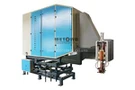
One type of annealing equipment is the Online Seam M.F Annealing Equipment. This equipment is used for annealing the seams of pipes and other metal products. When using this equipment, it's important to make sure the electrical connections are tight and secure. Loose connections can cause arcing and overheating, which can lead to electrical fires.
Another type of annealing equipment is the On Line Annealing Equipment. This equipment is used for continuous annealing of metal strips and wires. When using this equipment, make sure the electrical controls are properly calibrated and functioning correctly. Incorrect calibration can cause the equipment to operate at the wrong temperature or speed, which can affect the quality of the annealed product and increase the risk of electrical problems.
The The High Hydrogen Bell Annealing Furnace is another type of annealing equipment. This furnace uses hydrogen gas to create a reducing atmosphere for annealing. When using this equipment, it's important to make sure the electrical components are designed to be used in a hydrogen-rich environment. Hydrogen is a flammable gas, and any electrical sparks or overheating can cause an explosion.
In addition to these specific safety measures, it's also a good idea to have a regular maintenance schedule for your annealing equipment. Regular maintenance can help prevent electrical problems and ensure the equipment is operating safely and efficiently. This might involve inspecting the electrical components, testing the grounding system, and replacing any worn or damaged parts.
Finally, if you have any questions or concerns about the electrical safety of your annealing equipment, don't hesitate to contact us. We're here to help you make sure your equipment is operating safely and efficiently. Whether you're looking to purchase new annealing equipment or need help with maintenance and repairs, we've got you covered. Reach out to us today to start a conversation about your annealing equipment needs and how we can assist you in ensuring top-notch electrical safety.
References
- Electrical Safety Standards for Industrial Equipment, National Electrical Code
- Annealing Equipment Manufacturer's Manuals