




In the realm of metal processing and manufacturing, a decoiler is an indispensable piece of equipment. As a seasoned decoiler supplier, I've witnessed firsthand the transformative impact that decoilers bring to various industrial operations. In this blog post, I'll delve into the numerous advantages of using a decoiler, exploring how it enhances efficiency, improves quality, and contributes to cost - effectiveness in metalworking.
Enhanced Efficiency
One of the most prominent advantages of using a decoiler is the significant boost in operational efficiency it provides. In traditional metal processing, unwinding coils of metal sheets or strips manually is a labor - intensive and time - consuming task. Workers need to deal with heavy coils, which not only requires a lot of physical strength but also takes a long time to set up and unwind.


A decoiler automates this process. It can quickly and smoothly unwind coils at a consistent speed, eliminating the need for manual labor and reducing the time required for coil unwinding. For example, in a large - scale steel processing plant, a high - quality decoiler can unwind coils at a rate that far exceeds what a team of workers can achieve manually. This means that production lines can operate at a much faster pace, increasing the overall output of the plant.
Moreover, modern decoilers are often equipped with advanced control systems. These systems allow operators to precisely control the speed, tension, and direction of the unwinding process. For instance, if a specific production process requires a certain tension in the metal strip during unwinding, the operator can easily adjust the decoiler settings to achieve the desired tension. This level of precision control ensures that the metal is fed into the subsequent processing equipment in an optimal state, further enhancing the efficiency of the entire production line.
Improved Quality
The use of a decoiler also has a positive impact on the quality of the processed metal products. When metal coils are unwound manually, there is a high risk of uneven tension, which can lead to various defects in the metal strips or sheets. Uneven tension may cause wrinkles, twists, or uneven thickness in the metal, which can significantly reduce the quality of the final product.
A decoiler, on the other hand, can maintain a constant and uniform tension throughout the unwinding process. By using mechanisms such as tension control arms and brakes, the decoiler ensures that the metal is unwound smoothly and evenly. This results in a flat, wrinkle - free metal strip or sheet that is ready for further processing. For example, in the production of precision metal components, such as those used in the electronics industry, the quality of the input metal is crucial. A decoiler helps to provide high - quality metal strips with consistent dimensions and surface quality, which is essential for the production of high - precision components.
In addition, decoilers can also help to reduce the risk of damage to the metal surface. Manual handling of coils often involves rough contact with the metal, which can cause scratches, dents, or other surface imperfections. Decoilers are designed to handle the metal gently, using rollers and other non - abrasive components to unwind the coils. This protects the surface of the metal, ensuring that the final product has a smooth and clean appearance.
Cost - Effectiveness
From a cost - perspective, using a decoiler is a smart investment for any metal processing business. While the initial purchase cost of a decoiler may seem significant, the long - term savings it generates far outweigh the upfront expense.
Firstly, as mentioned earlier, a decoiler improves efficiency by automating the coil unwinding process. This leads to increased production output without a proportional increase in labor costs. In fact, in many cases, the use of a decoiler can reduce the need for a large number of manual laborers, resulting in substantial savings on labor expenses. For example, a small - to - medium - sized metal processing company that replaces manual coil unwinding with a decoiler can save a significant amount of money on wages over time.
Secondly, the improved quality of the processed metal products also contributes to cost - effectiveness. High - quality metal products are less likely to be rejected during quality control inspections, reducing the amount of scrap and rework. This means that the company can make better use of its raw materials, reducing waste and saving on material costs. Additionally, high - quality products are more likely to meet customer requirements, which can lead to increased customer satisfaction and repeat business.
Versatility
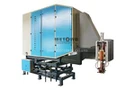
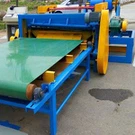
Decoilers come in a variety of types and configurations to meet the diverse needs of different industries. As a decoiler supplier, I offer several popular models, including the Double Head Decoiler, the Double Arms Uncoiler, and the Single Head Decoiler.
The double - head decoiler is suitable for applications where continuous production is required. It has two heads that can hold different coils, allowing for seamless switching between coils without interrupting the production process. This is particularly useful in high - volume production environments, such as in the manufacturing of steel pipes or automotive parts.
The double - arms uncoiler is designed to handle wider and heavier coils. Its double - arm structure provides better support and stability during the unwinding process, making it ideal for large - scale metal processing operations.
The single - head decoiler, on the other hand, is a more compact and cost - effective option for smaller - scale production. It is suitable for businesses that have limited space or lower production volumes.
Safety
Safety is a top priority in any industrial environment, and decoilers play an important role in ensuring a safe working environment. Manual coil unwinding is a dangerous task, as it involves handling heavy coils that can cause injuries if not handled properly. Workers may be at risk of back injuries, cuts, or being crushed by the coils.
Decoilers are equipped with various safety features to prevent accidents. For example, they often have safety guards around the moving parts to prevent workers from coming into contact with the machinery. Some decoilers also have emergency stop buttons that can be easily accessed in case of an emergency. Additionally, the automated nature of the decoiler reduces the need for workers to be in close proximity to the heavy coils, further minimizing the risk of accidents.
In conclusion, the advantages of using a decoiler are numerous and significant. It enhances efficiency, improves product quality, contributes to cost - effectiveness, offers versatility, and ensures a safer working environment. Whether you are a small - scale metal processing workshop or a large - scale industrial manufacturer, a decoiler can be a valuable addition to your production line.
If you are interested in learning more about our decoilers or are considering purchasing one for your business, I encourage you to reach out for a detailed discussion. We can provide you with in - depth information about our products, customize solutions according to your specific needs, and offer professional technical support.
References
- "Metal Processing Handbook", a comprehensive guide on metalworking processes and equipment.
- Industry reports on the use of decoilers in different manufacturing sectors.