







Troubleshooting tube mill line roll failures can be a real headache, but as a Tube Mill Line Roll supplier, I've seen it all and got some tips to share. Let's dig into how you can figure out what's going wrong with those rolls and get your production back on track.
Understanding the Basics
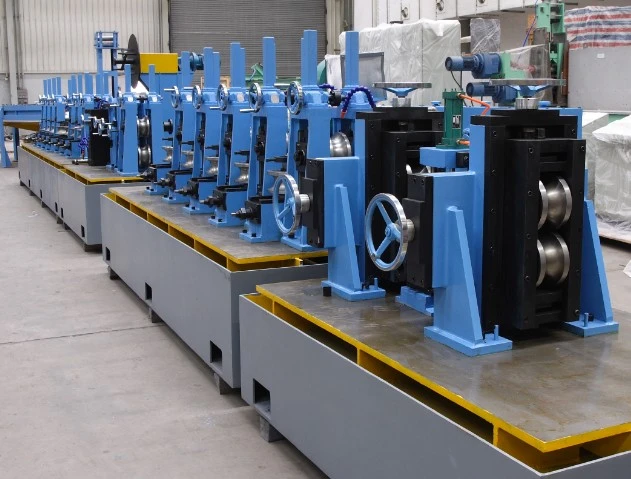
First off, let's talk about what tube mill line rolls do. These rolls are a key part of the Tube Mill Line Roll system. They help shape the metal strip into a tube by gradually bending it. In a Steel Pipe Manufacturing Line or a Welded Pipe Line, the rolls work in harmony to ensure the final product meets the required specifications.
Common Roll Failures and Their Symptoms
Wear and Tear
One of the most common issues is wear and tear. Over time, the constant friction between the rolls and the metal strip can cause the surface of the rolls to wear down. You'll notice this when the tube's outer surface starts to look rough or has uneven thickness. If you see grooves or unevenness on the roll surface, that's a clear sign of wear.
Cracking
Cracking can be a serious problem. It can occur due to excessive stress on the rolls, improper heat treatment during manufacturing, or thermal shock. If you see cracks on the roll surface, it's crucial to address it immediately. Cracks can lead to further damage and even cause the roll to break, which can stop your production line.
Deformation
Deformation of the rolls can happen when they are subjected to uneven loads. This can cause the tube to have an oval shape instead of a round one. You might also notice that the tube doesn't fit properly in subsequent processing steps.
Troubleshooting Steps
Visual Inspection
The first step in troubleshooting is a visual inspection. Take a close look at the rolls for any signs of wear, cracking, or deformation. Use a magnifying glass if necessary to spot small cracks or surface irregularities. Check the roll's alignment as well. Misaligned rolls can cause uneven wear and other problems.
Measuring Roll Dimensions
Use precision measuring tools to check the roll's dimensions. Compare the measurements with the original specifications. If the roll's diameter or other dimensions are out of tolerance, it could be a sign of wear or deformation.
Analyzing the Tube Quality
Examine the quality of the tubes being produced. Look for any defects such as uneven thickness, ovality, or surface roughness. These defects can provide clues about what's wrong with the rolls. For example, if the tube has a rough surface, it could indicate excessive wear on the roll surface.
Checking the Operating Conditions
Review the operating conditions of the tube mill line. Make sure the speed, pressure, and temperature settings are within the recommended range. Incorrect operating conditions can put extra stress on the rolls and lead to failures.
Solutions to Roll Failures
Wear and Tear
If the rolls are worn, you have a few options. You can try regrinding the rolls to restore their original shape and surface finish. However, this can only be done a limited number of times before the roll's dimensions become too small. If regrinding is not an option, you'll need to replace the rolls.
Cracking
If you find cracks on the rolls, it's usually best to replace them. Cracks can propagate quickly and cause the roll to break, which can damage other parts of the tube mill line. Before installing new rolls, make sure to address the root cause of the cracking, such as improper heat treatment or excessive stress.

Deformation
To fix deformed rolls, you may need to realign them or adjust the load distribution. This might require some technical expertise, so it's a good idea to consult with a professional. In some cases, you may need to replace the deformed rolls.
Preventive Maintenance
Preventive maintenance is key to avoiding roll failures. Here are some tips:
- Regular Cleaning: Keep the rolls clean to prevent the buildup of dirt and debris, which can cause premature wear.
- Lubrication: Use the right lubricants to reduce friction between the rolls and the metal strip.
- Inspection Schedule: Establish a regular inspection schedule to catch any potential problems early.
- Training: Make sure your operators are trained to operate the tube mill line correctly and recognize the signs of roll failures.
Conclusion
Troubleshooting tube mill line roll failures can be challenging, but by following these steps, you can identify the problems and find the right solutions. As a Tube Mill Line Roll supplier, I'm here to help you keep your production line running smoothly. If you're experiencing roll failures or need advice on preventive maintenance, don't hesitate to reach out. We can provide you with high-quality rolls and expert support to ensure your tube mill line operates at its best. Contact us today to start a conversation about your needs and how we can help you optimize your production process.
References
- "Tube Mill Technology Handbook"
- Industry best practices and experience from working with tube mill line operators.