




Hey there! As a supplier of Slitting Machines, I often get asked about how to replace the blades on these machines. It's a crucial part of maintenance that can significantly impact the performance and lifespan of your slitting machine. So, let's dive right into it!
Why Replace Blades?
First off, you might be wondering why you need to replace the blades in the first place. Well, over time, the blades on a slitting machine wear out due to constant use. Dull blades can lead to poor cutting quality, such as rough edges, uneven cuts, or even tearing of the material. This not only affects the final product but can also slow down the production process. Replacing the blades at the right time ensures that your slitting machine operates at its best, delivering high - quality cuts consistently.
Tools You'll Need
Before you start replacing the blades, gather the necessary tools. You'll typically need a set of wrenches, depending on the size and type of the slitting machine. A torque wrench is also very useful to ensure that the bolts are tightened to the correct specifications. A safety mask and gloves are a must to protect yourself from any sharp edges or debris. And don't forget a clean, dry cloth to wipe down the machine parts.
Step 1: Safety First
Safety should always be your top priority. Before you do anything, make sure the slitting machine is turned off and unplugged. This prevents any accidental starts that could cause serious injury. You should also lock out the power source to ensure that no one can turn it on while you're working on the machine.
Step 2: Remove the Old Blades
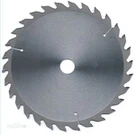
Once the machine is safely powered off, it's time to remove the old blades. Locate the blade holders on the slitting machine. These are usually secured with bolts or screws. Use your wrench to loosen and remove these fasteners. Be careful not to drop the bolts as they can be small and easily lost.


After removing the fasteners, gently lift the old blades out of the holders. Some blades might be stuck due to built - up debris or rust. In this case, you can use a little bit of lubricant to help loosen them. Once the blades are out, place them in a safe, designated area.
Step 3: Clean the Blade Holders
With the old blades removed, take some time to clean the blade holders. Use the cloth to wipe away any dirt, dust, or debris. You can also use a mild cleaning solution if there's stubborn grime. Make sure the holders are completely dry before proceeding. This ensures a proper fit for the new blades and helps prevent corrosion.
Step 4: Install the New Blades
Now comes the exciting part - installing the new blades. Carefully place the new blades into the cleaned holders. Make sure they are properly aligned. The alignment is crucial for getting clean, accurate cuts. Once the blades are in place, start tightening the bolts or screws. Use the torque wrench to ensure that you're applying the correct amount of force. Over - tightening can damage the blades or the machine, while under - tightening can cause the blades to move during operation.
Step 5: Test the Machine
After installing the new blades, it's time to test the slitting machine. Plug it back in and turn it on. Start with a small test piece of material to see how the blades are performing. Check for clean, straight cuts and smooth operation. If you notice any issues, such as uneven cuts or excessive noise, turn off the machine immediately and double - check the blade installation.
Tips for Blade Replacement
- Keep Spare Blades on Hand: Having spare blades readily available can save you a lot of time in case of an emergency. You won't have to wait for new blades to be delivered, which can disrupt your production schedule.
- Follow the Manufacturer's Instructions: Every slitting machine is different, so it's important to follow the specific instructions provided by the manufacturer. This ensures that you're replacing the blades correctly and safely.
Related Products
If you're in the market for a new slitting machine or other related equipment, we've got you covered. Check out our ERW Welded Tube Mill and Pipe Production Machine. And of course, our Slitting Machine is designed to provide high - quality performance and durability.
Contact Us for Purchase
If you have any questions about blade replacement, or if you're interested in purchasing a slitting machine or other products, don't hesitate to reach out. We're here to help you with all your slitting and tube - making needs. Whether you're a small business just starting out or a large industrial operation, we have the right solutions for you.
References
- Slitting Machine User Manuals
- Industry Best Practices for Machine Maintenance