




Hey there! As a cooling tower supplier, I've seen firsthand the unique challenges that come with high - altitude operation. In this blog, I'm gonna share some tips on how to optimize a cooling tower for those high - up locations.
Understanding the High - Altitude Challenges
First off, we need to understand what makes high - altitude operation different. At higher altitudes, the air density drops. This means there's less air available for heat transfer in the cooling tower. The lower air density affects the fan performance too. Fans are designed to move a certain volume of air, but with less dense air, they might not be as effective in removing heat from the water.
Another issue is the lower atmospheric pressure. Water boils at a lower temperature at high altitudes. This can mess with the evaporation process in the cooling tower, which is a key part of how it cools the water. The reduced pressure can also cause the water to evaporate more quickly, leading to higher water loss.
Selecting the Right Equipment
When it comes to optimizing a cooling tower for high - altitude operation, choosing the right equipment is crucial.

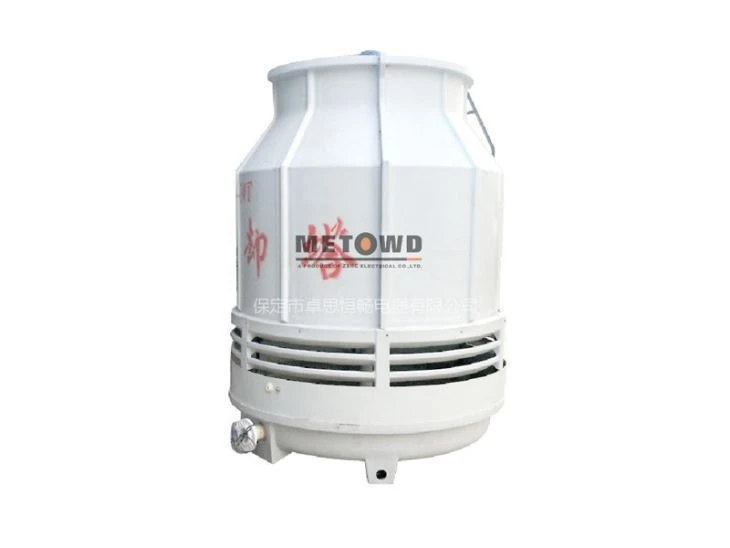
Fans
We need to select fans that are specifically designed to work well in low - density air. High - altitude fans usually have larger blades and higher rotational speeds to compensate for the lower air density. These fans can move more air even in the thin atmosphere, ensuring efficient heat transfer.
Fill Material
The fill material in a cooling tower plays a big role in heat transfer. For high - altitude applications, we recommend using fill materials with a high surface area. This allows for more contact between the water and the air, enhancing the heat - transfer process. Some modern fill materials are made of advanced plastics that are lightweight and have excellent heat - transfer properties.
Heat Exchangers
Using the right heat exchanger can also improve the performance of a cooling tower at high altitudes. Check out our Stainless Steel Air - Water Heat Exchanger. It's designed to be highly efficient, even in challenging environments. The stainless - steel construction makes it durable and resistant to corrosion. Another option is our Water - Water Heat Exchanger, which can transfer heat between two water streams effectively.
Water Management
Proper water management is essential for high - altitude cooling towers.
Water Treatment
Due to the increased evaporation rate at high altitudes, the concentration of dissolved solids in the water can rise quickly. This can lead to scaling and corrosion in the cooling tower. We need to implement a good water - treatment program. This might include using chemicals to control the pH level of the water and prevent the formation of scale and corrosion.
Water Conservation
As water evaporates more rapidly at high altitudes, water conservation becomes a priority. We can use a closed - loop system to recycle the water. In a closed - loop system, the water is cooled and then recirculated back into the process, reducing water consumption.
Design and Layout
The design and layout of the cooling tower also matter a lot for high - altitude operation.
Tower Height
A taller cooling tower can be beneficial at high altitudes. The additional height allows for better air circulation, as the air can flow more freely up through the tower. This helps with the heat - transfer process and improves the overall efficiency of the cooling tower.
Location
When installing a cooling tower at high altitudes, we need to consider its location carefully. It should be placed in an area with good air intake and exhaust. Avoid placing the tower near obstacles that could block the air flow, such as buildings or large trees.
Maintenance
Regular maintenance is key to keeping a cooling tower running smoothly at high altitudes.
Inspections
We should conduct regular inspections of the cooling tower to check for any signs of wear and tear. This includes checking the fan blades for damage, the fill material for clogging, and the heat exchanger for leaks.
Cleaning
Cleaning the cooling tower components is also important. Over time, dirt and debris can accumulate in the tower, reducing its efficiency. We need to clean the fill material, the water distribution system, and the basin regularly.
Monitoring and Control
Implementing a monitoring and control system can help optimize the performance of a high - altitude cooling tower.
Temperature and Pressure Sensors
Installing temperature and pressure sensors in the cooling tower allows us to monitor the operating conditions in real - time. We can adjust the fan speed, water flow rate, and other parameters based on the data collected by these sensors.
Automation
Automation can make the operation of the cooling tower more efficient. For example, an automated system can adjust the fan speed based on the ambient air temperature and the water temperature in the tower. This ensures that the cooling tower is always operating at its optimal efficiency.
Conclusion
Optimizing a cooling tower for high - altitude operation requires a combination of the right equipment selection, proper water management, smart design and layout, regular maintenance, and effective monitoring and control. By following these tips, you can ensure that your cooling tower performs well in high - altitude environments.
If you're interested in our Cooling Tower products or need more advice on high - altitude cooling tower optimization, don't hesitate to reach out. We're here to help you find the best solutions for your cooling needs.
References
- ASHRAE Handbook - HVAC Systems and Equipment
- Cooling Tower Institute Technical Papers
- Industry research on high - altitude cooling tower operation