



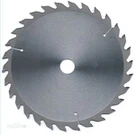


Maintaining a cold saw blade is crucial for ensuring its longevity, performance, and the quality of your cuts. As a trusted Cold Saw Blade supplier, I've witnessed firsthand the impact of proper maintenance on the efficiency and lifespan of these essential tools. In this blog post, I'll share some valuable insights and practical tips on how to maintain a cold saw blade effectively.
Understanding Your Cold Saw Blade
Before delving into maintenance, it's essential to understand the basic components and functions of a cold saw blade. Cold saw blades are typically made from high-speed steel (HSS) or carbide-tipped materials, designed to cut through various metals, including steel, aluminum, and copper. The teeth of the blade are the key cutting elements, and their geometry and sharpness play a significant role in the cutting process.
Regular Inspection
Regular inspection is the first step in maintaining a cold saw blade. Before each use, visually examine the blade for any signs of damage, such as chipped or missing teeth, cracks, or excessive wear. A damaged blade can not only affect the quality of your cuts but also pose a safety risk. If you notice any issues, replace the blade immediately.
In addition to visual inspection, it's also important to check the blade's arbor hole and flange surfaces for cleanliness and proper alignment. A dirty or misaligned arbor hole can cause the blade to vibrate during operation, leading to uneven cuts and premature wear. Use a clean, dry cloth to remove any debris or residue from the arbor hole and flange surfaces, and ensure that the blade is properly seated on the arbor.


Proper Cleaning
Cleaning your cold saw blade regularly is essential for removing debris, chips, and coolant residue that can accumulate during use. A dirty blade can cause the teeth to become dull more quickly, reduce cutting efficiency, and even lead to blade damage. To clean your blade, follow these steps:
- Disconnect the Saw: Before cleaning the blade, make sure the saw is unplugged or turned off to prevent accidental startup.
- Remove the Blade: Carefully remove the blade from the saw, following the manufacturer's instructions.
- Soak the Blade: Fill a container with a suitable cleaning solution, such as a mild detergent or a specialized blade cleaner. Submerge the blade in the solution and let it soak for several minutes to loosen any debris.
- Scrub the Blade: Use a soft-bristled brush to gently scrub the blade, paying special attention to the teeth and the gullets between them. Be careful not to damage the teeth or the coating on the blade.
- Rinse the Blade: After scrubbing, rinse the blade thoroughly with clean water to remove any remaining cleaning solution.
- Dry the Blade: Use a clean, dry cloth to dry the blade completely. Make sure there is no moisture left on the blade, as this can cause rust and corrosion.
Lubrication
Proper lubrication is essential for reducing friction and heat during the cutting process, which can help extend the life of your cold saw blade. Most cold saws are equipped with a coolant system that delivers a lubricating fluid to the cutting area. Make sure to use the recommended coolant for your saw and blade, and follow the manufacturer's instructions for filling and maintaining the coolant system.
In addition to using a coolant, you can also apply a lubricant directly to the blade before each use. There are several types of lubricants available, including sprays, oils, and waxes. Choose a lubricant that is compatible with your blade and the material you are cutting, and apply it evenly to the blade surface.
Correct Cutting Techniques
Using the correct cutting techniques is crucial for maintaining the performance and lifespan of your cold saw blade. Here are some tips to help you cut effectively and safely:
- Select the Right Blade: Choose a blade that is appropriate for the material and thickness you are cutting. Using the wrong blade can cause excessive wear, damage to the blade, and poor cutting quality.
- Set the Correct Speed and Feed Rate: Refer to the manufacturer's recommendations for the correct speed and feed rate for your blade and the material you are cutting. Cutting too fast or too slow can cause the blade to overheat, dull quickly, or break.
- Use a Steady Feed: Apply a steady, even pressure when cutting to ensure a smooth and consistent cut. Avoid forcing the blade through the material, as this can cause the teeth to chip or break.
- Support the Material: Make sure the material you are cutting is properly supported to prevent it from vibrating or moving during the cutting process. This can help reduce the stress on the blade and improve the quality of your cuts.
- Avoid Overloading the Blade: Do not attempt to cut through materials that are too thick or hard for your blade. Overloading the blade can cause it to overheat, dull quickly, or break.
Storage
Proper storage is essential for protecting your cold saw blade when it is not in use. Here are some tips to help you store your blade safely:
- Clean and Dry the Blade: Before storing the blade, make sure it is clean and dry to prevent rust and corrosion.
- Use a Blade Case or Cover: Store the blade in a blade case or cover to protect it from damage and dust.
- Store the Blade in a Cool, Dry Place: Keep the blade in a cool, dry place away from moisture, heat, and direct sunlight. Exposure to moisture and heat can cause the blade to rust and corrode, while direct sunlight can damage the blade's coating.
- Do Not Stack Blades: Do not stack blades on top of each other, as this can cause the teeth to become damaged. Instead, store the blades individually or in a blade rack.
Conclusion
Maintaining a cold saw blade is essential for ensuring its longevity, performance, and the quality of your cuts. By following the tips outlined in this blog post, you can keep your blade in top condition and get the most out of your investment. Remember to inspect your blade regularly, clean it properly, lubricate it, use the correct cutting techniques, and store it safely. If you have any questions or need further assistance, please don't hesitate to [contact us for procurement discussions].
References
-
"Cold Saw Blade Maintenance Guide," [Manufacturer's Name], [Year]
-
"Cutting Techniques for Cold Saw Blades," [Industry Publication], [Year]
-
"Proper Storage of Cold Saw Blades," [Expert's Blog], [Year]