




Hey there! As a supplier of Tube Mill Line Rolls, I've seen firsthand how crucial the reliability of these rolls is in the pipe manufacturing process. In this blog, I'm gonna share some tips on how to improve the reliability of tube mill line rolls, which can help you boost productivity and reduce downtime.
Understanding the Basics of Tube Mill Line Rolls
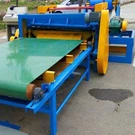
Before we dive into the ways to improve reliability, let's quickly go over what tube mill line rolls are. Tube mill line rolls are an essential part of Tube Mill Line in Pipe Making Machinery. They play a key role in shaping the metal strip into a tube by applying pressure and guiding the material through the forming process. These rolls come in different shapes and sizes, depending on the specific requirements of the pipe being produced.
Regular Maintenance
One of the most important things you can do to improve the reliability of tube mill line rolls is regular maintenance. Just like any other machinery, these rolls need proper care to keep them in top shape.
Cleaning
Regular cleaning is a must. Over time, dirt, debris, and metal shavings can accumulate on the rolls, which can affect their performance. Use the right cleaning agents and tools to remove any build - up. Make sure to clean the rolls after a certain number of production cycles or as per the manufacturer's recommendations.
Lubrication
Lubrication is another crucial aspect. Proper lubrication reduces friction between the rolls and the metal strip, which not only extends the life of the rolls but also improves the quality of the pipes being produced. Use high - quality lubricants and follow the correct lubrication schedule. Check the lubrication levels regularly and top them up as needed.
Inspection
Frequent inspections are essential. Look for signs of wear and tear, such as cracks, pits, or uneven surfaces on the rolls. If you notice any issues, address them immediately. Minor problems can quickly turn into major ones if left unattended, leading to costly breakdowns and production delays.
Proper Installation
The way tube mill line rolls are installed can have a big impact on their reliability. Incorrect installation can cause uneven stress distribution, which can lead to premature wear and failure.
Alignment
Make sure the rolls are properly aligned. Misaligned rolls can cause the metal strip to bend or twist in the wrong way, resulting in poor - quality pipes and increased wear on the rolls. Use precision alignment tools to ensure that the rolls are in the correct position relative to each other and the rest of the tube mill line.
Tightening
Proper tightening of the roll mounting bolts is also important. Loose bolts can cause the rolls to vibrate during operation, which can damage the rolls and other components of the machine. Follow the manufacturer's torque specifications when tightening the bolts.
Material Selection
The material of the tube mill line rolls can significantly affect their reliability. Different materials have different properties, such as hardness, toughness, and resistance to wear and corrosion.
High - Quality Steel
For most applications, high - quality steel is a good choice. Steel rolls can withstand high pressures and temperatures, and they offer good wear resistance. However, the type of steel should be selected based on the specific requirements of the pipe manufacturing process. For example, if you're producing pipes with a high carbon content, you may need rolls made of a steel alloy that can handle the increased abrasion.
Coatings
Applying coatings to the rolls can also enhance their performance. Some coatings can improve the wear resistance, reduce friction, and protect the rolls from corrosion. There are different types of coatings available, such as ceramic coatings and nitride coatings. Choose the coating that best suits your production needs.
Operator Training
Well - trained operators are key to the reliable operation of tube mill line rolls. Operators should be familiar with the proper operation and maintenance procedures of the rolls.
Training Programs
Provide comprehensive training programs for your operators. These programs should cover everything from basic roll operation to advanced troubleshooting techniques. Make sure the operators understand the importance of following the correct procedures and safety guidelines.
Feedback Loop
Establish a feedback loop where operators can report any issues or concerns they notice during the operation. This can help you catch problems early and make necessary adjustments to improve the reliability of the rolls.
Monitoring and Data Analysis
In today's digital age, monitoring and data analysis can provide valuable insights into the performance of tube mill line rolls.
Sensors
Install sensors on the rolls to monitor parameters such as temperature, vibration, and pressure. These sensors can collect real - time data, which can be used to detect potential problems before they become serious.
Data Analysis
Use data analysis tools to analyze the data collected from the sensors. Look for patterns or trends that may indicate a problem with the rolls. For example, an increase in vibration levels may suggest misalignment or wear. By analyzing the data, you can take proactive measures to prevent breakdowns and improve the reliability of the rolls.
Upgrading and Modernization
As technology advances, it may be necessary to upgrade or modernize your tube mill line rolls. Newer models may offer improved features, such as better wear resistance, higher precision, and more efficient operation.


Evaluate New Technologies
Keep an eye on the latest developments in tube mill line roll technology. Evaluate whether upgrading to newer rolls or incorporating new technologies into your existing rolls is worth the investment. Consider factors such as the expected increase in productivity, reduction in maintenance costs, and improvement in product quality.
Conclusion
Improving the reliability of tube mill line rolls is a multi - faceted process that involves regular maintenance, proper installation, material selection, operator training, monitoring, and potentially upgrading. By following these tips, you can ensure that your tube mill line rolls operate smoothly and efficiently, reducing downtime and increasing your overall productivity.
If you're interested in learning more about our high - quality Tube Mill Line Rolls or have any questions regarding their reliability and performance, feel free to reach out. We're always here to help you find the best solutions for your pipe manufacturing needs.
References
- "Handbook of Tube and Pipe Manufacturing Processes"
- Industry reports on pipe making machinery and tube mill line rolls
- Technical papers on roll maintenance and reliability improvement