


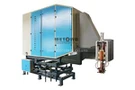
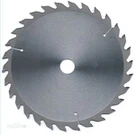
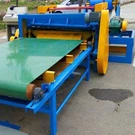


As a supplier of Milling Flying Saws, ensuring the reliability of our products is not only a commitment to our customers but also a cornerstone of our business success. In the highly competitive market of industrial machinery, the reliability of a Milling Flying Saw directly impacts the efficiency, productivity, and profitability of our clients' operations. In this blog post, I will share some effective strategies on how to improve the reliability of a Milling Flying Saw based on our years of experience in the industry.
Understanding the Basics of a Milling Flying Saw
Before delving into the ways to improve reliability, it's essential to understand what a Milling Flying Saw is and how it works. A Milling Flying Saw is a specialized machine used for cutting tubes, pipes, and profiles during the production process. It operates at high speeds and must synchronize precisely with the movement of the material being cut. This synchronization is crucial for achieving accurate cuts and maintaining the overall quality of the finished product.
The key components of a Milling Flying Saw include the cutting head, drive system, control system, and support structure. Each component plays a vital role in the machine's performance, and any malfunction or failure can lead to production downtime and quality issues.
Regular Maintenance and Inspection
One of the most effective ways to improve the reliability of a Milling Flying Saw is through regular maintenance and inspection. Just like any other piece of machinery, a Milling Flying Saw requires routine care to ensure its optimal performance. Here are some maintenance tasks that should be carried out regularly:


- Lubrication: Proper lubrication is essential for reducing friction and wear on moving parts. Check the lubrication levels of the drive system, bearings, and other critical components regularly and replenish as needed.
- Cleaning: Keep the cutting head, guide rails, and other parts of the machine clean to prevent the accumulation of debris and dust. This can help prevent damage to the components and ensure smooth operation.
- Inspection of Components: Regularly inspect the cutting blades, belts, chains, and other components for signs of wear, damage, or misalignment. Replace any worn or damaged parts immediately to prevent further problems.
- Calibration: Ensure that the machine is properly calibrated to maintain accurate cutting dimensions. This may involve adjusting the cutting speed, feed rate, and other parameters to match the specific requirements of the material being cut.
By following a regular maintenance schedule, you can identify and address potential issues before they become major problems, thereby improving the reliability and longevity of the Milling Flying Saw.
Upgrading and Modernizing
Another way to enhance the reliability of a Milling Flying Saw is by upgrading and modernizing its components and systems. Over time, technological advancements can offer significant improvements in terms of performance, efficiency, and reliability. Here are some areas where upgrades can be beneficial:
- Control System: Upgrading to a more advanced control system can provide better precision, flexibility, and ease of use. Modern control systems often feature advanced algorithms and automation capabilities that can optimize the cutting process and reduce the risk of errors.
- Cutting Head: Investing in a high-quality cutting head with improved cutting performance and durability can enhance the overall reliability of the machine. Newer cutting heads may incorporate advanced materials and designs that can withstand higher speeds and pressures, resulting in cleaner and more accurate cuts.
- Drive System: Upgrading the drive system to a more powerful and efficient motor can improve the machine's cutting speed and torque, reducing the time required for each cut and increasing productivity. Additionally, a more reliable drive system can minimize the risk of breakdowns and downtime.
By staying up-to-date with the latest technological advancements and investing in upgrades when necessary, you can ensure that your Milling Flying Saw remains competitive and reliable in the long run.
Operator Training and Education
The reliability of a Milling Flying Saw also depends on the skills and knowledge of the operators. Proper training and education can help operators understand the machine's capabilities, limitations, and operating procedures, reducing the risk of operator error and improving overall reliability. Here are some training topics that should be covered:
- Machine Operation: Provide comprehensive training on how to operate the Milling Flying Saw safely and effectively. This should include instructions on starting and stopping the machine, adjusting the cutting parameters, and performing basic maintenance tasks.
- Safety Procedures: Emphasize the importance of safety when operating the machine. Train operators on how to use personal protective equipment (PPE), follow safety protocols, and identify and avoid potential hazards.
- Troubleshooting: Teach operators how to identify and troubleshoot common problems that may occur during the operation of the Milling Flying Saw. This can help them quickly resolve issues and minimize downtime.
By investing in operator training and education, you can empower your operators to take better care of the machine and ensure its reliable performance.
Quality of Components and Materials
The quality of the components and materials used in the Milling Flying Saw can also have a significant impact on its reliability. When selecting a Milling Flying Saw, it's important to choose a supplier that uses high-quality components and materials in their products. Here are some factors to consider:
- Manufacturer Reputation: Look for a supplier with a good reputation in the industry for producing reliable and high-quality machinery. Read customer reviews and testimonials to get an idea of the supplier's track record.
- Component Quality: Check the quality of the cutting blades, bearings, motors, and other components used in the machine. High-quality components are more likely to last longer and perform better, reducing the risk of breakdowns and maintenance issues.
- Material Selection: Ensure that the machine is made from durable and corrosion-resistant materials that can withstand the harsh operating conditions of the industrial environment.
By choosing a Milling Flying Saw that is built with high-quality components and materials, you can improve its reliability and reduce the total cost of ownership over its lifespan.
Monitoring and Predictive Maintenance
In addition to regular maintenance and inspection, implementing a monitoring and predictive maintenance program can further improve the reliability of a Milling Flying Saw. Monitoring systems can collect data on the machine's performance, such as temperature, vibration, and power consumption, and analyze this data to detect potential issues before they cause a breakdown. Here are some benefits of monitoring and predictive maintenance:
- Early Detection of Problems: By continuously monitoring the machine's performance, you can identify signs of wear, damage, or malfunction at an early stage, allowing you to take proactive measures to prevent a breakdown.
- Optimized Maintenance Schedule: Predictive maintenance can help you determine the optimal time to perform maintenance tasks based on the actual condition of the machine, rather than relying on a fixed schedule. This can reduce unnecessary maintenance and downtime.
- Improved Efficiency: By addressing potential issues before they become major problems, you can minimize production downtime and improve the overall efficiency of the machine.
There are various monitoring technologies available, such as sensors, data loggers, and analytics software, that can be used to implement a monitoring and predictive maintenance program. By leveraging these technologies, you can gain valuable insights into the performance of your Milling Flying Saw and take proactive steps to improve its reliability.
Conclusion
Improving the reliability of a Milling Flying Saw is a multi-faceted process that requires a combination of regular maintenance, upgrading, operator training, and the use of high-quality components and materials. By implementing the strategies outlined in this blog post, you can enhance the performance, efficiency, and longevity of your Milling Flying Saw, ultimately leading to increased productivity and profitability for your business.
As a supplier of Milling Flying Saws, we are committed to providing our customers with reliable and high-quality products. If you are interested in learning more about our Steel Tube Cutting Machine, Tube Mill Cutting Machine, or Automatic Cutting Machine, or if you have any questions or concerns about improving the reliability of your existing Milling Flying Saw, please do not hesitate to contact us. We look forward to discussing your specific needs and helping you find the best solution for your business.
References
- "Industrial Machinery Maintenance Handbook"
- "Cutting Technology and Applications"
- "Automation and Control Systems in Manufacturing"