





When it comes to metal cutting, choosing the right friction saw blade is crucial for achieving optimal results. As a leading friction saw blade supplier, I understand the challenges that customers face in making this decision. In this blog post, I will share some key factors to consider when selecting a friction saw blade that meets your specific needs.
Understanding Friction Saw Blades
Friction saw blades are designed to cut through metal by generating heat through friction. Unlike other types of saw blades, friction saw blades do not rely on teeth to cut the material. Instead, the blade's high rotational speed and the pressure applied to the workpiece create enough heat to melt and remove the metal. This process allows for fast and efficient cutting, making friction saw blades a popular choice for many industrial applications.
Factors to Consider When Choosing a Friction Saw Blade
1. Material to be Cut
The type of material you need to cut is one of the most important factors to consider when choosing a friction saw blade. Different materials have different hardness, density, and melting points, which can affect the performance of the blade. For example, cutting through stainless steel requires a blade with a higher heat resistance and a more aggressive cutting edge than cutting through mild steel.
Some common materials that can be cut with friction saw blades include:
- Mild steel
- Stainless steel
- Aluminum
- Copper
- Brass
When selecting a blade for a specific material, it is important to choose a blade that is designed to handle the material's properties. Our company offers a wide range of friction saw blades that are specifically designed for different materials, ensuring optimal performance and longevity.


2. Blade Diameter
The diameter of the friction saw blade is another important factor to consider. The blade diameter determines the maximum cutting depth and the cutting speed of the blade. A larger diameter blade can cut through thicker materials and provide a faster cutting speed, but it also requires more power and can be more difficult to handle.
When choosing a blade diameter, it is important to consider the thickness of the material you need to cut and the power of your saw. Our company offers a variety of blade diameters to suit different applications, from small blades for precision cutting to large blades for heavy-duty applications.
3. Tooth Configuration
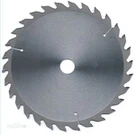
Although friction saw blades do not rely on teeth to cut the material, the tooth configuration can still affect the performance of the blade. The tooth configuration refers to the shape, size, and spacing of the teeth on the blade. Different tooth configurations are designed for different cutting applications, such as cutting thick materials, thin materials, or materials with a high hardness.
Some common tooth configurations for friction saw blades include:
- Straight teeth: Straight teeth are the most common tooth configuration for friction saw blades. They are suitable for cutting a wide range of materials and provide a smooth and clean cut.
- Raker teeth: Raker teeth are designed to remove the chips from the cutting area, preventing the blade from clogging and improving the cutting performance. They are commonly used for cutting thick materials.
- Alternate top bevel (ATB) teeth: ATB teeth are designed to provide a more aggressive cutting edge and a faster cutting speed. They are commonly used for cutting materials with a high hardness, such as stainless steel.
When choosing a tooth configuration, it is important to consider the type of material you need to cut and the cutting application. Our company offers a variety of tooth configurations to suit different applications, ensuring optimal performance and efficiency.
4. Blade Quality
The quality of the friction saw blade is also an important factor to consider. A high-quality blade will provide better performance, longer life, and a more consistent cut. When choosing a blade, it is important to look for a blade that is made from high-quality materials and is manufactured to strict quality standards.
Our company uses only the highest quality materials and the latest manufacturing techniques to produce our friction saw blades. We also conduct rigorous quality control tests on every blade to ensure that it meets our strict quality standards. This ensures that our customers receive a high-quality blade that will provide optimal performance and longevity.
Additional Considerations
1. Coolant and Lubrication
Using a coolant or lubricant can help to improve the performance and longevity of the friction saw blade. Coolants and lubricants can help to reduce the heat generated during the cutting process, which can prevent the blade from overheating and extend its life. They can also help to reduce the friction between the blade and the workpiece, which can improve the cutting speed and the quality of the cut.
When using a coolant or lubricant, it is important to choose a product that is compatible with the material you are cutting and the type of saw blade you are using. Our company offers a range of coolants and lubricants that are specifically designed for use with our friction saw blades, ensuring optimal performance and protection.
2. Safety Precautions
When using a friction saw blade, it is important to take proper safety precautions to prevent accidents and injuries. Some important safety precautions to follow include:
- Wear appropriate personal protective equipment (PPE), such as safety glasses, gloves, and ear protection.
- Make sure the saw is properly installed and maintained.
- Follow the manufacturer's instructions for using the saw and the blade.
- Do not exceed the maximum cutting capacity of the saw or the blade.
- Keep the work area clean and free of debris.
By following these safety precautions, you can help to ensure a safe and productive cutting environment.
Conclusion
Choosing the right friction saw blade is essential for achieving optimal results in metal cutting. By considering the factors discussed in this blog post, such as the material to be cut, the blade diameter, the tooth configuration, and the blade quality, you can select a blade that meets your specific needs and provides the best performance and longevity.
As a leading friction saw blade supplier, we are committed to providing our customers with the highest quality products and the best customer service. We offer a wide range of friction saw blades, as well as other PFT Board, Internal Burr Scraper Head, and Cold Saw Blade that are specifically designed for use in the tube mill line. If you have any questions or need help choosing the right blade for your application, please contact us. We will be happy to assist you in finding the perfect solution for your needs.
References
- ASM Handbook, Volume 16: Machining, ASM International, 2008.
- Metal Cutting Principles, Third Edition, by Peter Childs, Butterworth-Heinemann, 2008.
- Handbook of Machining with Grinding Wheels, Second Edition, by Paul R. Blau, CRC Press, 2013.