




Hey there! As a decoiler supplier, I often get asked about how often a decoiler should be maintained. Well, it's not a one - size - fits - all answer, but I'll break it down for you in this blog.
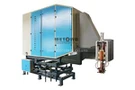
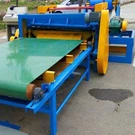
First off, let's talk about what a decoiler is. A decoiler is a crucial piece of equipment in many manufacturing processes, especially in the metalworking industry. It's used to unwind coils of metal, like steel or aluminum, so they can be fed into other machines for further processing. We offer different types of decoilers, such as the Double Head Decoiler, Decoiler, and Single Head Decoiler. Each type has its own features and usage scenarios, but they all need proper maintenance to work efficiently.
Factors Affecting Maintenance Frequency
Usage Intensity
The most obvious factor is how often you use the decoiler. If your production line runs 24/7, the decoiler is under constant stress. In this case, you'll need more frequent maintenance. For example, a decoiler in a high - volume metal stamping plant that operates non - stop will wear out parts faster than one in a small workshop that only runs a few hours a day. A general rule of thumb is that if the decoiler is used for more than 8 hours a day, weekly visual inspections and monthly in - depth maintenance are a good idea. You should check for any signs of wear and tear on the rollers, bearings, and the drive system.
Material Type
The type of material being processed also matters. Unwinding thick, heavy - gauge steel coils puts more strain on the decoiler compared to thin aluminum coils. Steel is denser and tougher, which means the decoiler has to work harder to unwind it. This increased stress can lead to faster wear on components like the brake system and the mandrel. If you're working with steel coils most of the time, you might want to increase the maintenance frequency by about 20 - 30% compared to when working with lighter materials.
Environmental Conditions
The environment where the decoiler is located can have a big impact on its maintenance needs. If the decoiler is in a dirty, dusty environment, dust and debris can get into the moving parts, causing premature wear. In a humid environment, there's a risk of corrosion. For instance, a decoiler in a coastal factory might face corrosion issues due to the salt - laden air. In such harsh environments, you should clean the decoiler more often, perhaps every few days, and conduct maintenance checks more frequently, maybe bi - weekly instead of monthly.
General Maintenance Schedule
Daily Checks
Even if you're short on time, a quick daily check can go a long way. Look for any loose bolts or nuts on the decoiler. These can come loose over time due to the vibrations during operation. Also, check the lubrication levels. Proper lubrication is essential for the smooth operation of the drive system and the bearings. If the lubricant is low, top it up according to the manufacturer's recommendations. And don't forget to check for any abnormal noises or vibrations. If you hear a strange grinding noise or feel excessive vibrations, it could be a sign of a problem that needs immediate attention.
Weekly Inspections
Once a week, take a bit more time to do a more thorough inspection. Check the condition of the belts and chains. Look for signs of wear, such as cracks or fraying. Replace any worn - out belts or chains as soon as possible to avoid breakdowns. Inspect the electrical connections as well. Loose or corroded electrical connections can cause power issues or even pose a safety hazard. Make sure all the connections are tight and free of corrosion.
Monthly Maintenance
Monthly maintenance is when you really dig deep. Check the alignment of the rollers. Misaligned rollers can cause uneven unwinding of the coil, which can lead to quality issues in the final product. You can use a precision measuring tool to check the alignment and make any necessary adjustments. Also, clean the sensors and control panels. Dust and dirt on these components can cause malfunctions. Use a soft, dry cloth to wipe them down gently.


Quarterly Overhauls
Every three months, it's a good idea to do a comprehensive overhaul. This involves disassembling some of the components, like the mandrel and the brake system, to check for internal wear. Replace any parts that are close to the end of their service life. You should also test the performance of the decoiler under different load conditions. This will help you identify any hidden problems that might not be apparent during normal operation.
Benefits of Regular Maintenance
Increased Lifespan
By maintaining your decoiler regularly, you can significantly extend its lifespan. Replacing worn - out parts in a timely manner and keeping the machine clean and well - lubricated can prevent major breakdowns. A well - maintained decoiler can last up to 2 - 3 times longer than one that's neglected. This means you'll get more value for your money in the long run.
Improved Product Quality
A properly maintained decoiler ensures smooth and consistent unwinding of the coil. This leads to better quality products, as there are fewer issues like uneven feeding or coil tension problems. For example, in a tube - making process, a well - maintained decoiler will result in tubes with more uniform wall thickness and better surface finish.
Reduced Downtime
Unexpected breakdowns can be a nightmare for any production line. They can cause costly delays and disrupt your production schedule. Regular maintenance helps catch problems early, before they turn into major issues. This reduces the likelihood of unplanned downtime, allowing your production to run smoothly.
Contact for More Information and Purchase
If you're interested in our decoilers or have any questions about maintenance or other aspects, don't hesitate to reach out. We're here to help you make the most of your decoiler investment. Whether you need advice on setting up a maintenance schedule or want to discuss purchasing a new decoiler, we've got you covered.
References
- Industry standards for metalworking machinery maintenance
- Manufacturer's manuals for decoilers