


Friction saws have long been a staple in the metalworking industry, renowned for their ability to cut through various materials with relative ease. As a supplier of friction saws, I've witnessed firsthand the impact these tools can have on a production line. In this blog, I'll delve into the efficiency of friction saws in cutting, exploring their benefits, limitations, and the factors that influence their performance.
How Friction Saws Work
Before we discuss the efficiency of friction saws, it's essential to understand how they operate. Friction saws use the heat generated by friction between the saw blade and the material being cut to sever the workpiece. Unlike traditional saws that rely on teeth to cut through the material, friction saws melt the metal as they rotate, creating a clean and precise cut.
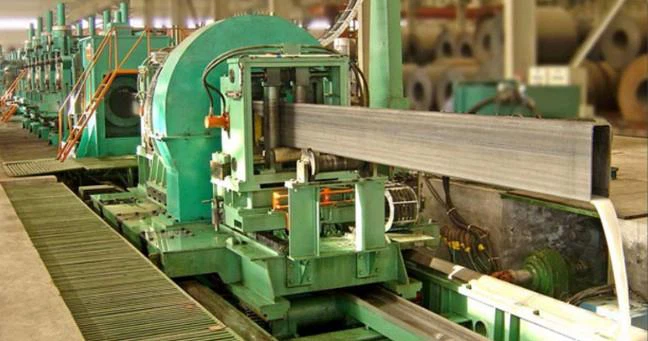

The process begins when the saw blade makes contact with the workpiece. As the blade spins at high speeds, the friction between the blade and the material generates heat. This heat causes the metal to soften and eventually melt, allowing the blade to cut through it. The molten metal is then ejected from the cutting area, leaving behind a smooth and burr-free edge.
Benefits of Friction Saws
One of the primary advantages of friction saws is their speed. Due to the high cutting speeds and the ability to melt through the material, friction saws can make cuts much faster than traditional saws. This increased speed translates to higher productivity and reduced production times, making friction saws an ideal choice for high-volume manufacturing operations.
Another benefit of friction saws is their ability to cut through a wide range of materials. Friction saws can cut through ferrous and non-ferrous metals, including steel, aluminum, copper, and brass. They can also cut through other materials such as plastics and composites, making them a versatile tool for various industries.
Friction saws also produce a clean and precise cut. The melting process eliminates the need for secondary finishing operations, such as deburring or grinding, which can save time and money. Additionally, the smooth edges produced by friction saws reduce the risk of injury to workers handling the cut pieces.
Limitations of Friction Saws
While friction saws offer many benefits, they also have some limitations. One of the main limitations is the heat generated during the cutting process. The high temperatures can cause the material to warp or distort, especially in thin or delicate workpieces. To mitigate this issue, it's essential to use the appropriate cutting speed and feed rate and to provide adequate cooling to the saw blade and the workpiece.
Another limitation of friction saws is the noise and dust generated during the cutting process. The high-speed rotation of the saw blade and the ejection of molten metal can create a significant amount of noise and dust, which can be a health hazard for workers. To address this issue, it's important to use appropriate personal protective equipment, such as earplugs and dust masks, and to provide proper ventilation in the work area.
Factors Affecting the Efficiency of Friction Saws
Several factors can influence the efficiency of friction saws. One of the most important factors is the type of material being cut. Different materials have different melting points and hardness levels, which can affect the cutting speed and the quality of the cut. For example, harder materials may require a slower cutting speed and a more aggressive feed rate to achieve a clean and precise cut.
The size and thickness of the workpiece also play a role in the efficiency of friction saws. Larger and thicker workpieces may require a more powerful saw and a slower cutting speed to ensure a clean and efficient cut. Additionally, the shape of the workpiece can affect the cutting process, as irregularly shaped workpieces may require more time and effort to cut.
The quality of the saw blade is another critical factor in the efficiency of friction saws. A high-quality saw blade will last longer and produce a better cut than a low-quality blade. It's important to choose a saw blade that is appropriate for the material being cut and to replace the blade regularly to maintain optimal performance.
Comparison with Other Cutting Methods
To better understand the efficiency of friction saws, it's helpful to compare them with other cutting methods. One popular alternative to friction saws is the Flying Cold Saw. Flying cold saws use a circular saw blade to cut through the material at high speeds, similar to friction saws. However, unlike friction saws, flying cold saws do not rely on heat to cut through the material. Instead, they use the mechanical force of the saw blade to sever the workpiece.
Flying cold saws offer several advantages over friction saws. They produce a cooler cut, which reduces the risk of material distortion and warping. They also generate less noise and dust, making them a more environmentally friendly option. However, flying cold saws are generally slower than friction saws and may require more maintenance.
Another alternative to friction saws is the Milling Flying Saw. Milling flying saws use a milling cutter to cut through the material, similar to a traditional milling machine. Milling flying saws offer high precision and accuracy, making them ideal for cutting complex shapes and profiles. However, they are generally slower than friction saws and may require more setup time.
The High Precision Cold Flying Saw is another option for cutting metal. This type of saw combines the precision of a cold saw with the speed of a flying saw, making it a popular choice for high-volume manufacturing operations. High precision cold flying saws can produce accurate cuts with minimal burrs and distortion, but they are typically more expensive than friction saws.
Conclusion
In conclusion, friction saws are a highly efficient cutting tool that offers many benefits for various industries. Their speed, versatility, and ability to produce a clean and precise cut make them an ideal choice for high-volume manufacturing operations. However, they also have some limitations, such as the heat generated during the cutting process and the noise and dust they produce.
When considering the efficiency of friction saws, it's important to take into account the type of material being cut, the size and thickness of the workpiece, and the quality of the saw blade. By choosing the right saw and optimizing the cutting parameters, you can maximize the efficiency of your friction saw and achieve the best results.
If you're interested in learning more about friction saws or exploring our range of products, we encourage you to reach out to us. Our team of experts is ready to assist you in finding the perfect cutting solution for your specific needs. Contact us today to start a discussion about your requirements and discover how our friction saws can enhance your production processes.
References
- ASM Handbook Volume 6: Welding, Brazing, and Soldering. ASM International, 1993.
- Metals Handbook Desk Edition, 3rd Edition. ASM International, 2005.
- Machining Fundamentals. Society of Manufacturing Engineers, 2004.