



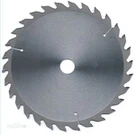


As a provider of friction saws, I often get asked by customers if they can sharpen a friction saw blade themselves. It's a valid question, especially for those looking to save on costs and gain more control over their equipment maintenance. In this blog, I'll explore the feasibility of self - sharpening a friction saw blade, the pros and cons, and provide some guidelines for those who still want to give it a try.
Understanding Friction Saw Blades
Before delving into the self - sharpening process, it's essential to understand what friction saw blades are. Friction saws are designed to cut through various materials, including metals, by generating heat through friction. The blade's teeth are specially engineered to withstand high temperatures and intense pressure during the cutting process. These blades come in different sizes, tooth configurations, and materials, depending on the specific application.
The Case for Self - Sharpening
There are several reasons why someone might want to sharpen a friction saw blade themselves.
Cost Savings
One of the most significant advantages is cost. Professional blade sharpening services can be expensive, especially if you have multiple blades or need frequent sharpening. By doing it yourself, you can save a substantial amount of money in the long run. You only need to invest in the necessary sharpening tools once, and then you can use them for multiple sharpening sessions.
Convenience
Self - sharpening also offers convenience. You don't have to wait for a professional service to complete the sharpening, which can sometimes take days. Instead, you can sharpen the blade at your own pace, whenever it's most convenient for you. This is particularly useful if you're in the middle of a project and need to get the saw back in operation quickly.
Learning and Control
Sharpening a saw blade yourself gives you a better understanding of how the blade works and what makes it effective. You gain hands - on experience with the blade's structure and the sharpening process, which can help you make better decisions about blade maintenance in the future. Additionally, you have full control over the sharpening process, ensuring that the blade is sharpened to your exact specifications.


The Challenges of Self - Sharpening
However, self - sharpening a friction saw blade is not without its challenges.
Technical Skill
Sharpening a friction saw blade requires a certain level of technical skill. You need to understand the correct angle at which to sharpen the teeth, the appropriate sharpening technique, and how to maintain a consistent edge. If you don't have the necessary skills, you could end up damaging the blade, making it less effective or even unusable.
Specialized Tools
To sharpen a friction saw blade properly, you need specialized tools. These can include a bench grinder, a file, or a diamond sharpening stone. These tools can be expensive, and if you're only going to use them occasionally, the cost may not be justified. Additionally, using these tools incorrectly can be dangerous, so you need to have a good understanding of how to operate them safely.
Blade Material and Design
Friction saw blades are made from high - quality materials that are designed to withstand extreme conditions. Some blades have complex tooth designs that can be difficult to sharpen correctly. If you're not familiar with the specific blade material and design, you may not be able to achieve the desired results.
Guidelines for Self - Sharpening
If you've decided to take on the challenge of self - sharpening a friction saw blade, here are some guidelines to help you get started.
Safety First
Before you begin, make sure you have the appropriate safety equipment, including safety glasses, gloves, and a dust mask. Sharpening a saw blade can produce sharp metal shavings and dust, which can be hazardous to your health.
Choose the Right Tools
As mentioned earlier, you'll need specialized tools for sharpening. A bench grinder is a popular choice, but it requires some skill to use correctly. A file or a diamond sharpening stone can also be effective, especially for smaller blades or for touch - up sharpening.
Understand the Tooth Angle
The tooth angle is crucial for the blade's performance. Different types of friction saw blades have different tooth angles, so you need to know the correct angle for your blade. You can usually find this information in the blade's user manual or by contacting the manufacturer.
Sharpen in a Consistent Manner
To ensure that the blade cuts evenly, you need to sharpen each tooth in a consistent manner. This means using the same pressure, angle, and technique for each tooth. It may take some practice to get it right, but with patience, you'll be able to achieve a sharp and even edge.
When to Seek Professional Help
Despite your best efforts, there may be times when it's better to seek professional help.
Complex Blade Designs
If your friction saw blade has a complex tooth design or is made from a specialized material, it may be too difficult to sharpen yourself. Professional sharpening services have the expertise and equipment to handle these types of blades.
Severe Damage
If the blade is severely damaged, such as having broken or missing teeth, it's best to take it to a professional. They can assess the damage and determine if the blade can be repaired or if it needs to be replaced.
Our Friction Saw Products
At our company, we offer a wide range of friction saws, including Cold Flying Cutting Saw, Computer Cold Flying Saw, and Steel Tube Cutting Machine. Our products are designed to provide high - performance cutting solutions for various industries. We also offer professional blade sharpening services for those who prefer to leave the task to the experts.
Conclusion
In conclusion, while it is possible to sharpen a friction saw blade yourself, it's not a task that should be taken lightly. It requires technical skill, specialized tools, and a good understanding of the blade's design and material. If you have the necessary skills and resources, self - sharpening can be a cost - effective and convenient option. However, if you're unsure or if the blade is severely damaged, it's best to seek professional help.
If you're interested in purchasing our friction saw products or have any questions about blade sharpening, please feel free to contact us for a procurement discussion. We're here to help you find the best cutting solutions for your needs.
References
- "Saw Blade Sharpening Guide" - Industry Publication
- Manufacturer's Manuals for Friction Saw Blades