




Hey there! As a supplier of Welding Magnetic Bars, I often get asked a bunch of questions about where our products can be used. One question that's been popping up a lot lately is, "Can a welding magnetic bar be used in the food processing industry?" Well, let's dig into this topic and find out.
First off, let's understand what a Welding Magnetic Bar is. You can check out more details about it on our website Welding Magnetic Bar. These bars are pretty handy in welding processes. They help in guiding the welding arc, improving the quality of the weld, and making the whole welding job more efficient. They use magnetic forces to do their magic, pulling the molten metal in the right direction and ensuring a smooth and strong weld.
Now, let's talk about the food processing industry. This industry has some really strict requirements. Food safety is the number one priority. Everything that comes into contact with food has to be made of materials that are safe, clean, and won't contaminate the food. There are also regulations about hygiene, corrosion resistance, and the ability to be easily cleaned and sanitized.
So, can a welding magnetic bar fit into this high - standard industry? Well, it depends on a few factors.
Material Compatibility
The first thing to consider is the material of the welding magnetic bar. In the food processing industry, we need materials that are food - grade. Stainless steel is a popular choice because it's corrosion - resistant, easy to clean, and doesn't react with food. If our welding magnetic bar is made of food - grade stainless steel or other approved materials, it has a better chance of being used in this industry.
For example, when welding food - grade pipes or equipment in a food processing plant, a magnetic bar made of the right material can help create a strong and clean weld. This is crucial because any weak welds could lead to leaks, which might contaminate the food.
Hygiene and Cleanliness
Hygiene is a big deal in the food processing industry. The welding magnetic bar needs to be easy to clean. It shouldn't have any crevices or rough surfaces where dirt, bacteria, or food particles can get stuck. If the bar can be easily wiped down, washed, and sanitized, it meets an important requirement.


Imagine a situation where a welding magnetic bar is used to weld a part of a milk processing machine. After the welding is done, the bar has to be removed, and the area needs to be thoroughly cleaned. If the bar has a smooth surface and can be quickly cleaned, it won't pose a risk to food safety.
Corrosion Resistance
Food processing environments can be pretty harsh. There are often chemicals, acids, and high - humidity conditions. A welding magnetic bar used in this industry must be able to resist corrosion. If it corrodes, it can release metal particles into the food, which is a huge no - no.
Let's say there's a fruit juice processing plant. The acidic nature of the juice can be corrosive. A welding magnetic bar that's placed near the juice - handling equipment needs to be made of a material that can withstand this acidic environment. Otherwise, it could start to break down over time and contaminate the juice.
Regulatory Compliance
The food processing industry is heavily regulated. There are local, national, and international standards that need to be followed. Our welding magnetic bar has to comply with these regulations. This might mean getting certifications from relevant authorities. For instance, in the United States, the FDA (Food and Drug Administration) has specific rules about materials that can come into contact with food. If our welding magnetic bar can meet these regulatory requirements, it can be used in the industry.
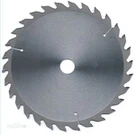
Now, let's also think about other products related to our welding magnetic bars. We also offer Cold Saw Blade and Induction Coil. These products are also important in the welding and manufacturing processes related to the food processing industry.
A cold saw blade is used to cut the pipes and parts that will be used in food processing equipment. A high - quality cold saw blade can make clean and precise cuts, which is essential for the proper assembly of the equipment.
An induction coil, on the other hand, is used in some welding processes. It can heat the metal quickly and evenly, which is useful when welding food - grade components. When used in combination with a welding magnetic bar, these products can improve the overall quality of the welding process in the food processing industry.
Advantages of Using Welding Magnetic Bars in Food Processing
If a welding magnetic bar meets all the requirements, there are several advantages to using it in the food processing industry.
- Improved Weld Quality: As I mentioned earlier, the magnetic bar helps in guiding the weld, resulting in a stronger and more consistent weld. This means less chance of leaks and better - built equipment.
- Increased Efficiency: It speeds up the welding process. In a food processing plant, time is money. Faster welding means less downtime for equipment installation or repair, which can save a lot of money in the long run.
- Cost - Effective: A good - quality welding magnetic bar can last a long time. If it's made of durable materials and can withstand the harsh food processing environment, it's a cost - effective investment for the industry.
Potential Challenges
Of course, there are also some potential challenges. One challenge is the initial cost. Developing a welding magnetic bar that meets all the food - processing industry requirements can be expensive. The research and development to find the right materials, design, and manufacturing processes can drive up the price.
Another challenge is the perception. Some people in the food processing industry might be hesitant to use a welding magnetic bar because they're not familiar with it. It takes some time to educate them about the benefits and safety of using such a product.
In conclusion, a welding magnetic bar can be used in the food processing industry, but it has to meet strict requirements. If we can ensure that our welding magnetic bar is made of food - grade materials, is easy to clean, corrosion - resistant, and compliant with regulations, it has a place in this industry.
If you're in the food processing industry and are looking for high - quality welding magnetic bars, cold saw blades, or induction coils, I'd love to talk to you. We're always happy to discuss your specific needs and see how our products can fit into your operations. Whether you need a custom - made magnetic bar for a unique welding job or a set of cold saw blades for your pipe - cutting tasks, we've got you covered. Contact us to start the conversation about your procurement needs.
References
- Food and Drug Administration (FDA) regulations on food - contact materials.
- Industry standards for food processing equipment manufacturing.