





Can a Milling Flying Saw be used for cutting composite materials?
Hey there! I'm a supplier of Milling Flying Saws, and I often get asked if these bad - boys can be used for cutting composite materials. So, let's dig into this topic and find out!
First off, what are composite materials? Composite materials are made by combining two or more different materials with different physical or chemical properties. The result is a material with characteristics that are superior to those of the individual components. Common examples include carbon - fiber composites, fiberglass composites, and wood - plastic composites. These materials are used in a wide range of industries, from aerospace and automotive to construction and sports equipment.
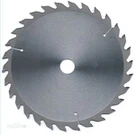
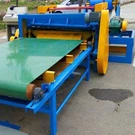
Now, let's talk about Milling Flying Saws. A Milling Flying Saw is a high - performance cutting machine that can cut various materials while they are in motion. It's commonly used in tube and pipe manufacturing lines, where it cuts the continuously produced tubes or pipes to the desired length. It offers high precision, fast cutting speeds, and can handle a variety of materials, including metals like steel, aluminum, and copper.
So, can a Milling Flying Saw cut composite materials? The short answer is, it depends.
Advantages of using a Milling Flying Saw for composite materials
One of the main advantages of using a Milling Flying Saw for cutting composite materials is its precision. These saws are designed to make accurate cuts, which is crucial when working with composite materials. Many composite parts require tight tolerances, and a Milling Flying Saw can deliver the precision needed to meet those requirements.
Another advantage is the speed. Composite materials are often used in high - volume production, and the ability to cut them quickly can significantly increase productivity. Milling Flying Saws can operate at high speeds, allowing for rapid cutting of composite parts.
The Milling Flying Saw also offers flexibility. It can be adjusted to cut different thicknesses and shapes of composite materials. This makes it a versatile tool for manufacturers who work with a variety of composite products.
Challenges of using a Milling Flying Saw for composite materials
However, there are also some challenges when using a Milling Flying Saw to cut composite materials. One of the biggest issues is the potential for delamination. Composite materials are made up of layers, and cutting can sometimes cause these layers to separate. This can weaken the part and make it unusable.
Heat generation is another problem. The cutting process generates heat, and composite materials can be sensitive to high temperatures. Excessive heat can cause the resin in the composite to degrade, leading to a loss of strength and other mechanical properties.
The abrasive nature of some composite materials can also wear down the cutting tools of the Milling Flying Saw. This means that the tools may need to be replaced more frequently, which can increase the cost of production.
Solutions to the challenges
To address the issue of delamination, special cutting techniques and tool geometries can be used. For example, using a saw blade with a specific tooth design can reduce the forces that cause delamination. Additionally, applying a backing material or support during the cutting process can help prevent the layers from separating.


To manage heat generation, cooling systems can be incorporated into the Milling Flying Saw. This can include using coolant fluids or air - cooling systems to keep the cutting area at a lower temperature.
To deal with tool wear, high - quality, wear - resistant cutting tools can be used. These tools are designed to withstand the abrasive nature of composite materials and last longer. Regular maintenance and inspection of the tools can also help ensure optimal performance.
Industry applications
In the aerospace industry, composite materials are widely used to reduce weight and improve fuel efficiency. A Milling Flying Saw can be used to cut composite parts such as wing sections, fuselage components, and engine parts. The precision and speed of the saw are essential in this industry, where high - quality parts are required.
The automotive industry also uses composite materials for various applications, including body panels, interior components, and suspension parts. A Milling Flying Saw can help manufacturers cut these parts quickly and accurately, improving production efficiency.
In the construction industry, composite materials are used for structural elements, facades, and insulation. The ability of a Milling Flying Saw to cut different shapes and sizes of composite materials makes it a valuable tool for construction projects.
Related products
If you're interested in other types of cutting machines, we also have some great options. Check out our Cold Flying Saw, Flying Cold Saw, and Tube Mill Cutting Machine. These machines also offer high - performance cutting solutions for different materials and applications.
Conclusion
In conclusion, a Milling Flying Saw can be used for cutting composite materials, but it comes with both advantages and challenges. With the right techniques, tools, and equipment, it can be a valuable asset for manufacturers working with composite materials. If you're in the market for a cutting solution for your composite materials, I'd love to have a chat with you. We can discuss your specific needs and see if our Milling Flying Saw is the right fit for your production line.
References
- "Composite Materials: Science and Applications" by P. K. Mallick
- "Cutting Technologies for Advanced Composites" by various industry experts in composite machining research.