







As a supplier of cold saw blades, I often get asked about the environmental impacts associated with their use. In this blog post, I'll delve into this topic, exploring both the positive and negative environmental aspects of using cold saw blades.
Positive Environmental Impacts
Energy Efficiency
One of the significant advantages of cold saw blades is their energy - efficient operation. Unlike some other cutting methods, cold saws use a relatively low amount of energy to cut through materials. The cutting process is based on a slow - speed, high - torque mechanism. This means that the motor power required to drive the saw blade is not as substantial as that of high - speed cutting tools. For example, compared to friction saws that generate a large amount of heat during the cutting process and consume more energy to maintain the high cutting speed, cold saws can achieve the same cutting task with less power consumption. This energy efficiency translates into a reduced carbon footprint, as less electricity is drawn from the power grid, which often relies on fossil fuels for generation.
Reduced Material Waste
Cold saw blades are known for their precision cutting. They can make clean, accurate cuts, which minimizes the amount of material wasted during the cutting process. When a cut is precise, there is less need for secondary operations to correct or finish the cut. In contrast, some less - precise cutting methods may leave rough edges or uneven cuts, leading to additional material being removed to achieve the desired shape. This reduction in material waste is beneficial for the environment as it conserves natural resources. Fewer raw materials need to be extracted from the earth, and less waste ends up in landfills. For industries that use large volumes of materials, such as metal fabrication, the cumulative effect of using cold saw blades for precise cutting can be significant in terms of resource conservation.
Low Emission of Harmful Substances
The cutting process of cold saw blades produces relatively low emissions of harmful substances. Since cold saws operate at lower speeds and do not rely on high - temperature cutting mechanisms like some other saws, they do not generate large amounts of dust, fumes, or particulate matter. For instance, friction saws can produce a significant amount of metal dust and fumes due to the high - speed friction and heat generation during cutting. These dust and fumes can be hazardous to the environment and human health. In contrast, cold saw blades keep the emission of such harmful substances to a minimum, creating a cleaner and safer working environment and reducing the impact on the surrounding air quality.
Negative Environmental Impacts
Blade Manufacturing
The production of cold saw blades has some environmental drawbacks. The manufacturing process involves several steps, including the extraction of raw materials such as high - speed steel or carbide. Mining these raw materials can have a significant impact on the environment, including habitat destruction, soil erosion, and water pollution. Additionally, the manufacturing process requires energy - intensive operations such as forging, heat - treating, and grinding. These processes consume large amounts of electricity and may also release greenhouse gases into the atmosphere.
Disposal of Worn - Out Blades
Over time, cold saw blades become worn out and need to be replaced. Disposing of these blades can be an environmental challenge. Cold saw blades are often made of metal alloys, which are not biodegradable. If not properly recycled, they can end up in landfills, taking up valuable space and potentially leaching harmful substances into the soil and groundwater. Recycling cold saw blades is possible, but it requires specialized facilities and processes. In some regions, the lack of proper recycling infrastructure can lead to these blades being disposed of in an environmentally unfriendly manner.
Coolant and Lubricant Usage
Cold saws often use coolants and lubricants to reduce friction and heat during the cutting process. While these substances are essential for the proper functioning of the saw blade, their production, use, and disposal can have environmental impacts. The production of coolants and lubricants may involve the use of chemicals that can be harmful to the environment. During use, there is a risk of coolant and lubricant leakage, which can contaminate soil and water sources. Additionally, disposing of used coolants and lubricants requires proper treatment to prevent pollution. If not handled correctly, these substances can cause significant environmental damage.
Mitigating the Negative Environmental Impacts
Sustainable Manufacturing Practices
As a cold saw blade supplier, we are committed to implementing sustainable manufacturing practices. We are working with our raw material suppliers to source materials from mines that follow environmentally friendly extraction methods. For example, some mines are using advanced technologies to reduce water consumption and minimize the impact on local ecosystems. In our manufacturing facilities, we are investing in energy - efficient equipment and processes. This includes using high - efficiency motors and optimizing the heat - treating and grinding processes to reduce energy consumption. By doing so, we can lower the carbon footprint associated with the production of our cold saw blades.
Promoting Blade Recycling
We encourage our customers to recycle their worn - out cold saw blades. We provide information on local recycling facilities and offer incentives for customers to return their used blades. By promoting blade recycling, we can ensure that these valuable metal resources are reused, reducing the need for new raw material extraction. Additionally, we are exploring partnerships with recycling companies to develop more efficient and environmentally friendly recycling processes for cold saw blades.

Eco - Friendly Coolant and Lubricant Options
We are researching and promoting the use of eco - friendly coolants and lubricants. These products are formulated to have a lower environmental impact while still providing the necessary lubrication and cooling properties for cold saws. For example, some bio - based coolants are made from renewable resources and are biodegradable. By using these eco - friendly alternatives, we can reduce the environmental risks associated with coolant and lubricant usage.
Conclusion
In conclusion, the use of cold saw blades has both positive and negative environmental impacts. On the positive side, they offer energy efficiency, reduced material waste, and low emissions of harmful substances. However, the manufacturing, disposal, and coolant usage aspects of cold saw blades present environmental challenges. As a cold saw blade supplier, we are taking steps to mitigate these negative impacts through sustainable manufacturing practices, promoting blade recycling, and using eco - friendly coolants and lubricants.
If you are interested in learning more about our cold saw blades or have any questions regarding their environmental impact, please feel free to contact us for a non - obligation discussion. We are always happy to assist you in making an informed decision about your cutting tool needs.
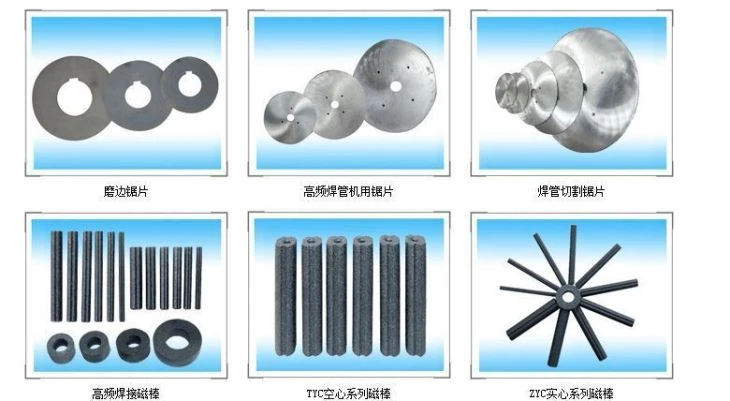
In addition to cold saw blades, we also offer other related products such as Internal Burr Scraper Head, Welding Magnetic Bar, and Friction Saw Blade. Contact us today to explore how these products can meet your industrial requirements.
References
- "Cutting Tool Technology: Principles and Applications" by John A. Schey
- "Environmental Impact Assessment of Manufacturing Processes" by Robert C. Leachman
- Industry reports on the metal cutting tool market and environmental regulations